Understanding Property Owner Liability in Slip and Fall Cases in South Carolina
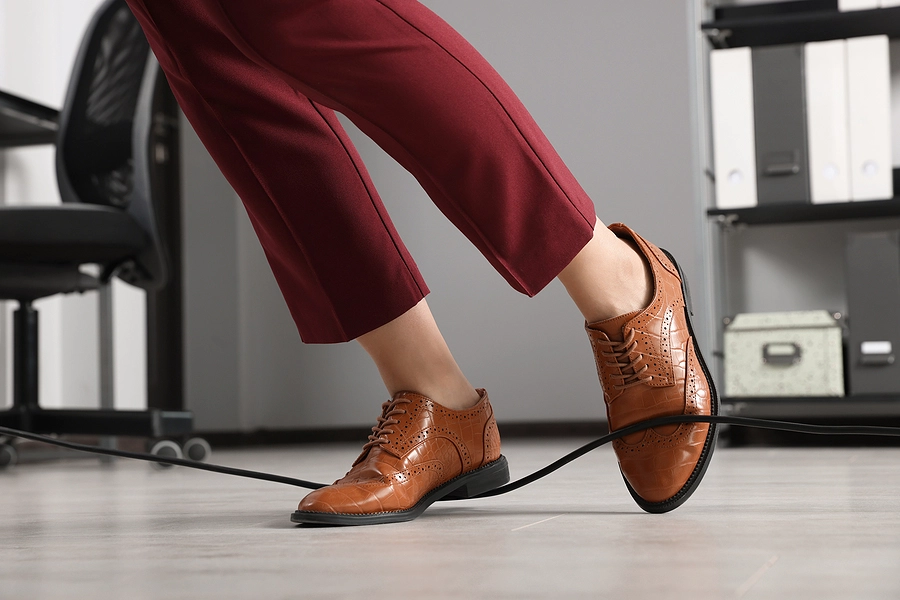
Slip and fall accidents happen quickly, but the impact can last for months or even years. A wet grocery store floor, a broken stair at an apartment complex, or poor lighting in a parking lot can all turn an ordinary day into a medical and financial crisis. In South Carolina, property owners are not automatically responsible every time someone gets hurt on their land. Liability depends on the situation, the condition of the property, and what the owner did or failed to do.
What a Slip and Fall Case Really Means
A slip and fall case is a type of premises liability claim. Premises liability refers to the legal duty property owners and occupiers have to keep their property reasonably safe for certain visitors. When they fail to meet that duty and someone gets hurt, they may be legally responsible for the resulting damages.
Not every fall leads to a valid claim. People slip for many reasons, including their own inattention. A successful case usually requires proof that a dangerous condition existed and that the owner either caused it or allowed it to remain when they should have fixed it or warned about it.
Different Visitors Have Different Legal Protections
South Carolina law looks at the injured person’s reason for being on the property. The level of care a property owner must provide depends on whether the visitor is an invitee, a licensee, or a trespasser.
Invitees receive the highest level of protection. These are people who are on the property for the owner’s benefit, usually for business purposes. Shoppers, hotel guests, and restaurant customers are invitees. Property owners must regularly inspect their property for hazards, fix dangerous conditions, and warn invitees about risks that are not obvious.
Licensees are social guests, such as friends or family members visiting a private home. Owners must warn them about known dangers that are not easy to see. However, the owner does not have the same duty to inspect the property for problems before a licensee arrives.
Trespassers generally have the least protection. Property owners usually only have to avoid intentionally harming them. There are exceptions, especially when children are involved, such as cases with swimming pools or other attractive hazards.
Common Hazards That Lead to Fall Injuries
Slip and fall accidents often involve conditions that could have been prevented with basic care. Some of the most common hazards include:
- Wet or slippery floors without warning signs
- Uneven sidewalks or cracked pavement
- Loose rugs or mats
- Poor lighting in hallways or stairwells
- Broken or missing handraisl
- Debris left in walkways
- Spills in grocery or retail stores
- Icy or muddy outdoor surfaces
The presence of a hazard alone is not enough. The injured person must also show that the property owner knew or should have known about it and failed to take reasonable action.
Actual Knowledge and Constructive Knowledge
A key part of these cases is proving what the property owner knew.
Actual knowledge means the owner or employees were aware of the hazard. For example, if a worker saw a spill and did nothing, that is actual knowledge.
Constructive knowledge means the hazard existed long enough that the owner should have discovered it through reasonable inspections. For instance, if a puddle sat on a store floor for hours with no cleanup, a court may find that the store should have known about it.
Photos, video footage, witness statements, and maintenance records can all help prove knowledge.
The Role of Reasonable Care
Property owners are not required to guarantee perfect safety. The law asks whether they acted reasonably under the circumstances. This includes:
- Inspecting the property on a regular schedule
- Fixing known problems in a timely way
- Posting warning signs when immediate repair is not possible
- Training staff to spot and respond to hazards
What counts as reasonable can depend on the type of property. A busy supermarket is expected to have more frequent inspections than a small private residence.
How the Injured Person’s Actions Affect the Case
South Carolina uses a modified comparative negligence system. This means the injured person’s own actions matter. If the injured person is found to be more than 50 percent at fault, they cannot recover any compensation. If they are 50 percent or less at fault, their compensation is reduced by their percentage of fault.
For example, if someone was texting while walking and did not notice an obvious hazard, a jury might assign them part of the blame. If their damages total $100,000 and they are found 20 percent at fault, they could still recover $80,000.
Insurance companies often try to increase the injured person’s share of fault to reduce what they have to pay.
Evidence That Can Strengthen a Claim
Strong evidence can make the difference between a denied claim and fair compensation. Important types of evidence include:
- Photos or video of the hazard and the surrounding area
- Pictures of injuries taken soon after the fall
- Incident reports filed with the property owner or business
- Surveillance footage, if available
- Medical records linking the injury to the fall
- Witness contact information
- Maintenance or cleaning logs
It is best to gather evidence as soon as possible, since conditions can change quickly and footage may be erased.
Injuries Commonly Seen in Slip and Fall Accidents
Falls can cause serious harm, especially for older adults. Some of the most common injuries include:
- Broken hips, wrists, or ankles
- Back and spinal injuries
- Head and brain injuries
- Knee and shoulder damage
- Soft tissue injuries like sprains and tears
Even injuries that seem minor at first can lead to long-term pain or limited mobility.
Damages That May Be Recovered
A successful claim may allow the injured person to recover compensation for both financial and personal losses. These may include:
- Medical bills, including future treatment
- Lost wages and reduced earning ability
- Pain and suffering
- Emotional distress
- Permanent disability or disfigurement
- Out-of-pocket costs related to the injury
The value of a case depends on the severity of the injuries, how they affect daily life, and how clearly fault can be proven.
Special Situations That Affect Liability
Some slip and fall cases involve unique factors that can change how liability is decided.
Weather-related hazards can be complicated. For example, rainwater tracked into a store is common in South Carolina. Owners are expected to take reasonable steps, such as placing mats or warning signs, but they are not required to keep floors completely dry at all times.
Construction zones require extra care. If a property is under renovation, owners and contractors must warn visitors and block off dangerous areas.
Government-owned property follows different rules and deadlines. Claims against cities or counties often have shorter notice requirements and damage limits.
Why Timing Matters
There are deadlines for filing slip and fall lawsuits in South Carolina. In most cases, the statute of limitations is three years from the date of the accident. If the claim is against a government entity, the time limit may be shorter.
Waiting too long can also make evidence harder to find. Witnesses forget details, surveillance footage is erased, and hazards get repaired, which can make proving the case more difficult.
Dealing With Insurance Companies
After a fall, the property owner’s insurance company will likely get involved. Their goal is to pay as little as possible. Adjusters may:
- Ask for recorded statements
- Offer quick settlements that are too low
- Argue that the injured person caused the accident
- Question the seriousness of the injuries
It is important to be cautious when dealing with insurers. Anything said can be used to reduce or deny a claim.
What To Do After a Slip and Fall
Taking the right steps after a fall can protect both health and legal rights.
- Get medical care right away, even if injuries seem minor
- Report the accident to the property owner or manager
- Ask for a written incident report
- Take photos and videos of the scene
- Get names and contact information of witnesses
- Keep all medical and expense records
- Avoid discussing the case on social media
These steps can make a strong difference if a claim is later filed.
Why Legal Guidance Matters
Slip and fall cases are rarely simple. Proving what the owner knew, how long a hazard existed, and whether the injured person shares blame takes careful investigation. A personal injury lawyer can:
- Gather and preserve evidence
- Work with experts when needed
- Handle insurance company negotiations
- File a lawsuit if a fair settlement is not offered
- Explain each step in clear terms
Having legal support can relieve stress and improve the chances of a fair outcome.
Conclusion
Property owners in South Carolina have a duty to keep their property reasonably safe for certain visitors. When they fail to meet that duty and someone gets hurt, they may be responsible for the harm that follows. At the same time, injured people must also act carefully and responsibly, since their own actions can affect their right to recover compensation.
Slip and fall cases depend on details. Where the fall happened, why the person was there, what caused the fall, and how the owner responded all matter. Understanding these factors can help injured people make informed decisions and avoid being taken advantage of during a difficult time.