Understanding Liability in Side-Impact (T-Bone) Car Accidents in SC
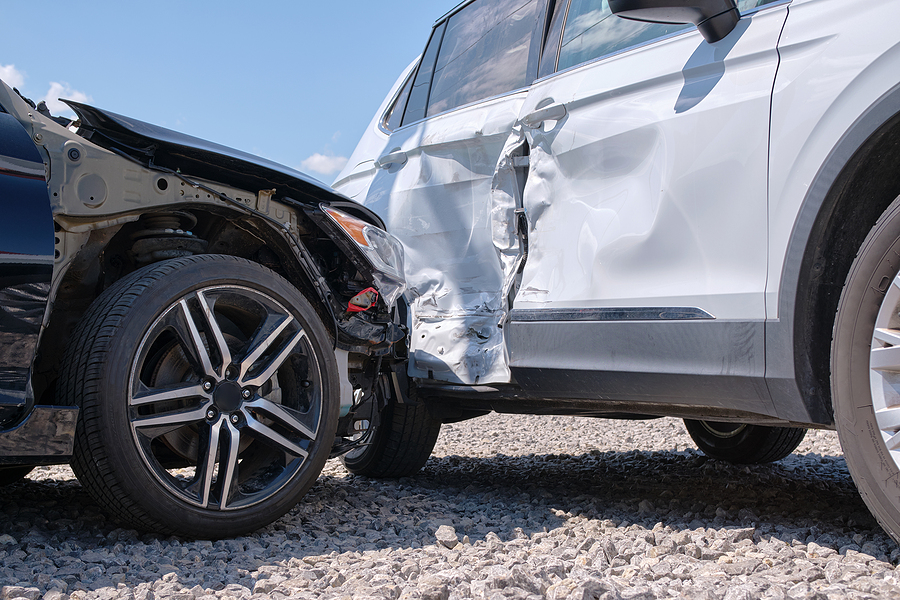
Side-impact crashes, often called T-bone accidents, are among the most dangerous types of collisions on the road. These accidents occur when the front of one vehicle strikes the side of another. Because vehicles have less protection on their sides compared to the front or rear, the risk of serious injury or death in these crashes is high. Understanding liability in these accidents is critical for anyone involved, especially in South Carolina, where comparative fault rules can affect a claim.
Common Causes of Side-Impact Crashes
Several situations can lead to a side-impact collision. Intersections are the most common location for these accidents. Drivers running red lights or failing to stop at stop signs can strike other vehicles traveling legally through the intersection.
Another frequent cause is failure to yield. Drivers making left turns without ensuring the oncoming lane is clear can collide with vehicles proceeding straight. Distracted driving also plays a significant role. Looking at a phone, adjusting a stereo, or being momentarily distracted can prevent a driver from noticing another vehicle in time to stop.
Impaired driving is another factor in many T-bone crashes. Alcohol or drugs slow reaction times and impair judgment, increasing the likelihood of running signals or misjudging traffic gaps.
Poor visibility conditions, like fog, heavy rain, or sun glare, can make it harder to see other vehicles. Even a cautious driver may miscalculate another vehicle’s speed or position.
Determining Liability in T-Bone Accidents
Liability in South Carolina personal injury cases depends on negligence. Negligence occurs when a driver fails to exercise reasonable care, and that failure causes an accident. In T-bone accidents, determining negligence often involves examining which driver had the right of way and whether traffic laws were violated.
For example, if one driver runs a red light and hits the side of another car proceeding legally through the intersection, the driver who ran the light is usually at fault. Similarly, if a driver turns left in front of oncoming traffic without a clear path, they are generally considered negligent.
South Carolina follows a modified comparative fault rule. This means that an injured party can recover damages even if they were partially at fault, as long as their share of fault is less than 51 percent. If an injured driver is found 50 percent or less at fault, the total compensation is reduced by their percentage of fault. For example, if total damages are $100,000 and a driver is 20 percent at fault, they could recover $80,000.
Evidence That Helps Establish Fault
Gathering evidence is crucial for proving liability in side-impact accidents. Police reports are often the first source of information. Officers typically document witness statements, traffic violations, and the positions of vehicles after a crash. While a police report is not conclusive proof of fault, it can strongly support a claim.
Photographs and videos of the accident scene are also valuable. These images can show skid marks, vehicle damage, traffic signals, and the roadway layout. In some cases, surveillance cameras from nearby businesses or traffic cameras may capture the collision, providing objective evidence of how the accident occurred.
Witness statements are another important source. Independent witnesses can provide an unbiased account of what happened. This testimony can be especially persuasive when fault is contested.
Medical records play a role in establishing damages, if not directly in proving fault. They document the severity of injuries, which is necessary for calculating compensation.
Vehicle damage assessments can also indicate the angle and speed of impact. Accident reconstruction experts may be hired in serious cases to analyze the evidence and determine how the collision happened.
Common Injuries in Side-Impact Collisions
Because the sides of vehicles have less structural protection, T-bone accidents often result in severe injuries. Head injuries, including concussions and traumatic brain injuries, are common. Broken bones, especially in the arms, ribs, and legs, can occur when the side of the car is struck.
Internal injuries, like damage to organs, are also a concern. Spinal injuries may lead to long-term complications or permanent disability. Even relatively minor impacts can result in whiplash or soft tissue injuries.
Passengers are particularly vulnerable, especially if the struck side of the vehicle is their side. Seat belts reduce risk but do not eliminate it entirely. Side airbags can help, but they are not present in all vehicles or may not deploy in every crash.
Insurance Considerations
Insurance claims following T-bone accidents can be complicated. Fault is a key factor in determining which policy pays for damages. In South Carolina, the at-fault driver’s liability coverage is responsible for compensating the injured party.
However, if the injured driver shares fault, the modified comparative fault rules will reduce their compensation proportionally. In cases where the at-fault driver lacks sufficient coverage, injured parties may rely on their own underinsured motorist coverage.
Prompt reporting of the accident to insurance companies is essential. Providing accurate details, photos, and witness information helps support the claim. Avoid admitting fault, even unintentionally, as this can complicate negotiations.
Legal Steps After a T-Bone Accident
After a side-impact crash, seeking medical attention should be the top priority. Even minor injuries can worsen over time, so prompt evaluation is crucial.
Next, documenting the accident is important. Take photographs, gather witness contact information, and keep copies of medical records and repair estimates. These records will be useful for both insurance claims and potential legal action.
Consulting a personal injury lawyer can make a significant difference, especially if liability is disputed or injuries are severe. An attorney experienced in South Carolina law can help navigate insurance claims, gather evidence, and protect your rights. They can also calculate damages beyond medical bills and property repair, including lost wages, pain and suffering, and long-term care costs if necessary.
Conclusion
Side-impact T-bone accidents are dangerous and often result in serious injuries. Determining liability in these crashes requires careful analysis of the circumstances, traffic laws, and evidence. In South Carolina, modified comparative fault rules mean that even partially responsible drivers can pursue compensation, though amounts may be reduced.
If you or a loved one has been involved in a T-bone accident, understanding your legal rights and responsibilities is critical. Gathering evidence, documenting injuries, and consulting a personal injury attorney can help ensure that you receive fair compensation for your losses. Side-impact accidents are complex, but with the right approach, you can navigate the aftermath effectively and protect your interests.