Understanding Comparative Negligence in South Carolina Bicycle Accidents
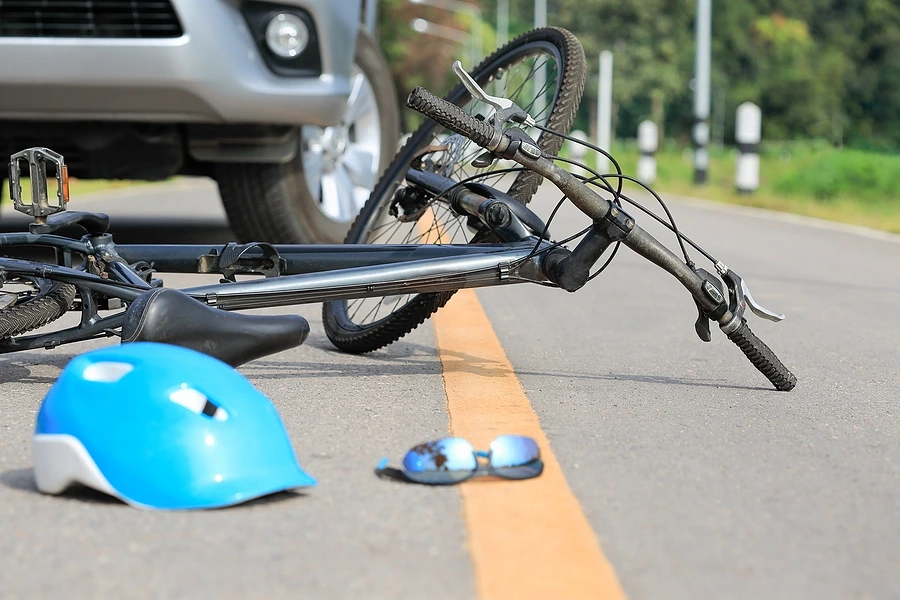
Bicycle accidents can lead to serious injuries and complicated legal issues. Determining who is at fault is often not straightforward. In South Carolina, comparative negligence plays a central role in deciding how damages are awarded when more than one party may share responsibility. Understanding this system is crucial for anyone involved in a bicycle accident.
What Comparative Negligence Means in South Carolina
Comparative negligence is a legal principle that allows fault to be divided among multiple parties. South Carolina follows a modified comparative negligence system, which means:
- A person can still recover damages even if they were partially at fault.
- If a person is found more than 50% responsible, they cannot recover any compensation.
Example:
If a bicyclist is 30% at fault in a collision with a car and the total damages are $10,000, their compensation would be reduced by 30%, resulting in $7,000. If they are 60% at fault, they would receive nothing.
How Fault is Determined in Bicycle Accidents
Fault in bicycle accidents is determined by examining the actions of all parties involved. Key factors include:
- Traffic law violations by the bicyclist or driver
- Use of safety gear, such as helmets
- Whether turns were properly signaled
- Road conditions and visibility
Evidence often includes:
- Police reports
- Witness statements
- Traffic camera or surveillance footage
- Photographs from the scene
Even if both parties acted negligently, comparative negligence allows for assigning a percentage of fault to each party.
Common Bicycle Accident Scenarios
Comparative negligence is often applied in common bicycle accident situations:
- Intersection collisions: If a bicyclist runs a red light, their damages may be reduced even if the driver also contributed.
- Dooring accidents: If a driver opens a car door into a cyclist’s path, both parties could share fault depending on the circumstances.
- Hit-and-run incidents: Fault may still be assigned, but recovering damages can be more complicated. Cyclists may rely on uninsured motorist coverage or personal insurance.
The Importance of Documentation
Thorough documentation is essential in bicycle accident claims. Key items include:
- Medical records showing the extent of injuries
- Photographs of the accident scene, skid marks, and road conditions
- Witness statements confirming actions of both parties
- Accident reports filed with law enforcement
Well-documented evidence helps support a fair allocation of fault and ensures injuries and expenses are accurately represented.
Working with Insurance Companies
Insurance companies often try to reduce payouts by emphasizing the injured party’s role in the accident. To protect your rights:
- Understand how comparative negligence may affect your claim
- Avoid admitting fault at the scene or online
- Keep detailed records of injuries, medical treatment, and related expenses
- Consult a personal injury lawyer experienced in bicycle accidents
Legal representation is especially important when negotiating with insurers or pursuing litigation.
Steps to Protect Your Rights After a Bicycle Accident
After an accident, these steps can strengthen your claim:
- Seek medical attention immediately
- Gather evidence at the scene, including photos and witness contacts
- Report the accident to law enforcement
- Keep records of medical treatment and expenses
- Avoid admitting fault or posting details online
- Contact an experienced personal injury lawyer
Settlement and Litigation Considerations
When fault is shared, settlements are usually based on the percentage of responsibility assigned to each party. If a fair settlement is not possible, litigation may be necessary. During court proceedings:
- Comparative negligence is presented as part of the defense
- A jury or judge assigns percentages of fault
- Damages are adjusted according to each party’s responsibility
An attorney can guide you through this process and help ensure fair compensation.
How Comparative Negligence Impacts Compensation
Comparative negligence can significantly reduce the amount a cyclist receives, even for minor mistakes. For example:
- If a cyclist is 20% at fault for failing to signal a turn, their total damages will be reduced by 20%
- The law encourages all road users to exercise caution while holding each party accountable
This makes proper evidence and professional guidance critical for recovering the full value of damages.
Conclusion
Bicycle accidents in South Carolina often involve shared responsibility. Understanding comparative negligence is essential for anyone injured in a crash. The law allows damages to be adjusted based on the percentage of fault, making thorough documentation and legal guidance crucial.
By following the right steps after an accident and working with an experienced personal injury lawyer, cyclists can protect their rights and improve their chances of recovering fair compensation. Understanding how comparative negligence works is key to navigating the aftermath of a bicycle accident in South Carolina.