Tips for Gathering Evidence After a Car Accident in South Carolina
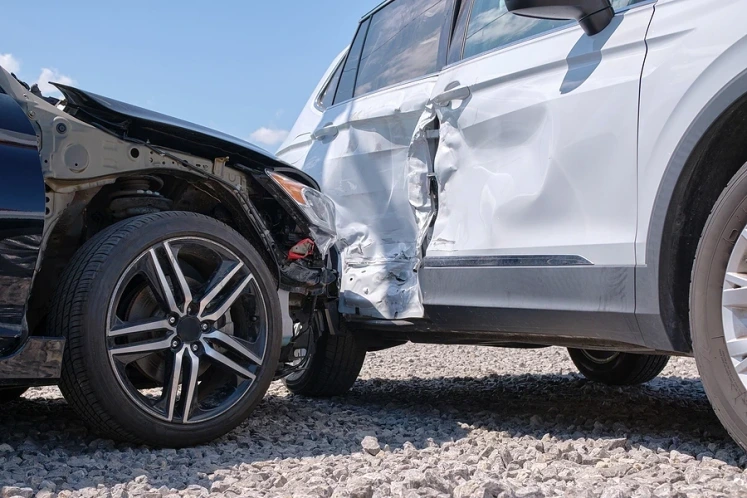
Being involved in a car accident is stressful. Beyond dealing with injuries and vehicle damage, you may face insurance claims and legal questions. Gathering evidence immediately after a crash can make a big difference in protecting your rights and building a strong case. In South Carolina, understanding what to document and how to preserve it is essential.
Act Quickly but Safely
After a collision, safety should be your first priority. Move to a safe location if possible and check for injuries. Call 911 to report the accident, especially if anyone is hurt or significant property damage has occurred. Police reports are often a critical piece of evidence, so having officers document the scene provides an official account.
Document the Scene Thoroughly
Take photos or videos of the accident scene as soon as you can. Focus on the following:
- Vehicle damage from multiple angles
- Skid marks or debris on the road
- Traffic signs or signals near the crash site
- Road conditions, such as potholes, ice, or wet surfaces
- Any visible injuries you or others have sustained
Even small details can become important later. If possible, capture wide shots that show the layout of the scene as well as close-ups of specific damage or hazards.
Gather Information from Others Involved
Exchange contact information with other drivers, passengers, and any witnesses. Key details include names, addresses, phone numbers, and insurance information. Witness statements can be invaluable, particularly if liability is disputed. Ask them to describe what they saw without influencing their account. Writing down the details or recording them on your phone while the memory is fresh is important.
Keep Records of Medical Treatment
If you are injured, seek medical attention promptly. Your health comes first, but medical records also serve as evidence of your injuries. Keep a detailed record of doctor visits, diagnoses, treatments, and medications. Save all bills and receipts related to medical care. Even minor injuries can have long-term consequences, so thorough documentation is crucial.
Maintain Vehicle and Repair Documentation
Do not repair your car immediately if the damage may be relevant to your claim. Insurance adjusters and attorneys may want to inspect the vehicle. Take detailed photos of the damage before any repairs. Keep all repair estimates and receipts, as they show the extent of the damage and cost of repairs.
Collect Insurance and Legal Documentation
Keep copies of any correspondence with insurance companies. Notes from phone calls, emails, and letters can help track what was said and promised. This includes your own insurer and the other party’s insurer. Be careful not to admit fault or speculate on responsibility. Stick to the facts when communicating.
Consider Professional Assistance
Sometimes accident reconstruction experts or medical specialists can provide evidence that strengthens your case. An expert can analyze the scene, vehicle damage, or injuries to determine how the accident occurred and who may be at fault. Consulting a personal injury attorney early can also help ensure that evidence is collected properly and deadlines are met.
Preserve Digital Evidence
Digital records can support your claim. Dashcam footage, traffic camera videos, or cellphone videos taken by witnesses can be compelling evidence. Screenshots of GPS data, text messages, or social media posts related to the accident may also be relevant. Avoid deleting or altering files, as this could undermine your credibility.
Write Down Your Own Account
Your memory is valuable but fades over time. Write a detailed account of the accident as soon as possible. Include the sequence of events, traffic conditions, weather, your actions, and how you felt immediately after the crash. A chronological narrative helps clarify facts and can support your claim.
Do Not Ignore Minor Details
Even things that seem insignificant can be important. Road conditions, lighting, and weather may affect liability. Small injuries like bruises or whiplash can become serious over time. Minor damages to personal property, such as phones or bags, should be documented.
Stay Organized
Create a file or digital folder to keep all accident-related information in one place. Include photos, witness contact information, medical records, insurance correspondence, and your personal notes. Being organized saves time and ensures nothing is overlooked during an insurance claim or legal case.
Understand South Carolina Laws
South Carolina follows a fault-based system for car accidents. The party responsible for the crash is generally liable for damages. Understanding state laws regarding negligence and personal injury claims helps you focus on the evidence that matters most. An experienced attorney can explain what is required to prove liability and maximize your recovery.
Avoid Common Mistakes
Do not delay seeking medical care, even if injuries appear minor. Avoid posting details about the accident on social media. Do not admit fault or speculate about the cause of the crash. Avoid repairing your vehicle before documenting the damage. These mistakes can weaken your case and make it harder to prove liability.
Conclusion
Gathering evidence after a car accident in South Carolina requires attention to detail, organization, and prompt action. Documenting the scene, collecting witness information, maintaining medical and repair records, and preserving digital evidence all contribute to building a strong claim. Working with a personal injury lawyer can help ensure your rights are protected and that evidence is used effectively. Taking these steps can make the difference in achieving a fair outcome after a car accident.