Steps to Take After a Rear-End Collision in South Carolina
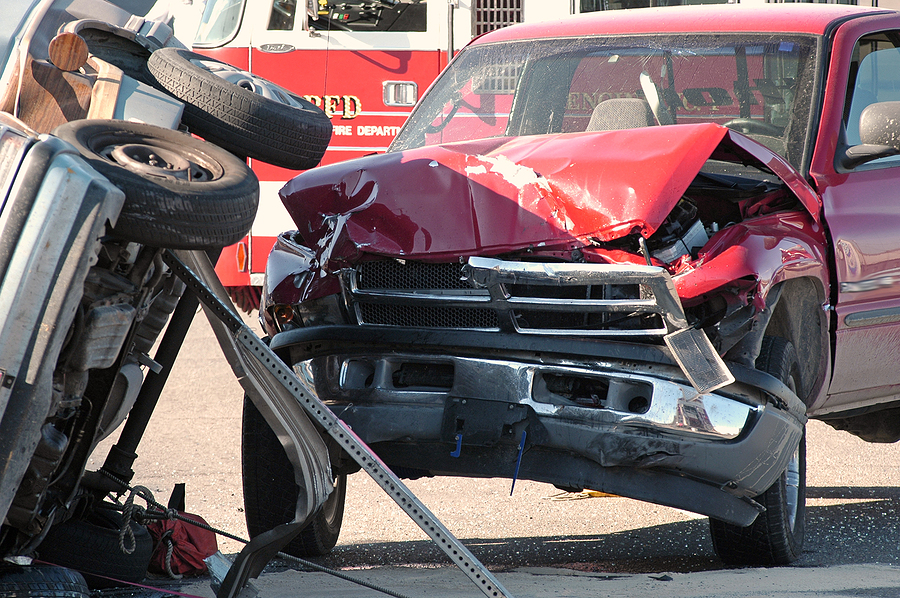
Rear-end collisions are some of the most common types of car accidents in South Carolina. They can happen on highways, city streets, or even parking lots. Even when damage seems minor, these accidents can lead to serious injuries and complicated insurance claims. Knowing the right steps to take after a rear-end collision can help protect your health and legal rights.
Check for Injuries and Ensure Safety
Immediately after a collision, your first priority should be safety. If you or anyone else is injured, call 911 right away. Even if injuries seem minor, they can worsen over time. Whiplash, back injuries, and concussions often show symptoms hours or days later.
If it is safe to do so, move your vehicle out of traffic. Turn on your hazard lights to alert other drivers. Avoid standing between vehicles or in the roadway. Safety at the scene can prevent further accidents.
Call the Police and Report the Accident
In South Carolina, you are required to report any accident that causes injury, death, or property damage over $1,000. Having a police report creates an official record of the collision, which can be crucial for insurance claims and potential legal cases.
When the police arrive, provide factual information but avoid admitting fault. Fault in rear-end collisions is often assumed to be with the driver who struck the car in front, but South Carolina follows a comparative negligence rule. This means both parties could share responsibility depending on the circumstances.
Document the Scene Thoroughly
Collecting evidence at the scene can make a big difference later. Take clear photographs of all vehicles involved, showing damage from multiple angles. Capture the surrounding area, traffic signs, road conditions, and any skid marks. If there were witnesses, ask for their names and contact information.
Write down everything you remember about the accident, including the time, weather, traffic conditions, and how the collision occurred. Even small details can support your case if disputes arise.
Exchange Information With the Other Driver
You should exchange contact and insurance information with the other driver. This includes names, addresses, phone numbers, driver’s license numbers, license plate numbers, and insurance policy details. Avoid discussing blame or offering statements about fault. Keep the conversation brief and focused on information sharing.
Seek Medical Evaluation Quickly
Even if you feel fine, schedule a medical evaluation as soon as possible. Some injuries from rear-end collisions, like whiplash or soft tissue damage, may not appear immediately. Medical documentation is essential not only for your health but also for potential insurance or legal claims.
Keep detailed records of all medical visits, treatments, and related expenses. This includes prescription medications, physical therapy, and any time missed from work.
Notify Your Insurance Company Promptly
Inform your insurance company about the accident as soon as you can. Provide them with accurate details without speculating about fault. Some people make the mistake of giving statements that could reduce their claim. Stick to the facts and provide evidence like photos, witness statements, and the police report.
If the other driver is at fault, their insurance company may contact you. It is usually best to direct them to your attorney before providing recorded statements. Insurance adjusters aim to limit payouts, and even truthful statements can be interpreted against you.
Understand South Carolina’s Comparative Fault Rules
South Carolina uses a modified comparative fault system. This means that if you are partially at fault for the accident, your recovery may be reduced by your percentage of responsibility. For example, if damages total $10,000 and you are 20% at fault, you could recover $8,000.
Being aware of comparative fault is important when negotiating with insurance companies or pursuing legal action. Even a small admission of responsibility at the wrong time can affect the amount you recover.
Preserve Evidence and Avoid Social Media Posts
Keep all evidence related to the accident. This includes repair estimates, medical bills, and any correspondence with insurance companies. Avoid posting about the accident on social media. Even casual posts can be used by insurance companies or opposing parties to challenge your claim.
Consider Consulting a Personal Injury Attorney
If you experienced injuries or significant property damage, speaking with a South Carolina personal injury lawyer can be highly beneficial. An attorney can help you understand your rights, evaluate your potential compensation, and communicate with insurance companies on your behalf.
Personal injury lawyers are especially useful when the accident results in serious injuries, long-term medical treatment, or disputes over fault. Many offer free consultations and work on a contingency fee basis, which means you only pay if you recover compensation.
Follow Up on Medical Care and Repairs
Continue attending medical appointments and following your doctor’s recommendations. Failing to follow medical advice can harm your health and affect your claim. Keep receipts and records of all expenses related to treatment.
For vehicle repairs, use reputable auto repair shops and document all repair work. Keep invoices and records of any rental car expenses. These details contribute to your overall damages in a claim.
Be Patient and Stay Organized
Recovering from a rear-end collision can take time. Insurance claims, medical treatments, and legal processes often move slowly. Staying organized with documentation and communication will make the process smoother.
Create a folder or digital file for all accident-related materials. Include police reports, photos, witness information, medical records, bills, and insurance correspondence. Being organized strengthens your position and helps your attorney build a solid case.
Conclusion
Rear-end collisions in South Carolina can range from minor fender benders to serious accidents with long-lasting consequences. Taking the right steps immediately after a collision can protect your health, evidence, and legal rights. Focus on safety, document everything, seek medical care, notify your insurance company, and consult a personal injury attorney if needed.
Being proactive and thorough after a rear-end accident increases your chances of a fair recovery and helps you navigate the complex insurance and legal processes with confidence.