Recovering Compensation for Property Damage After a Car Accident in South Carolina
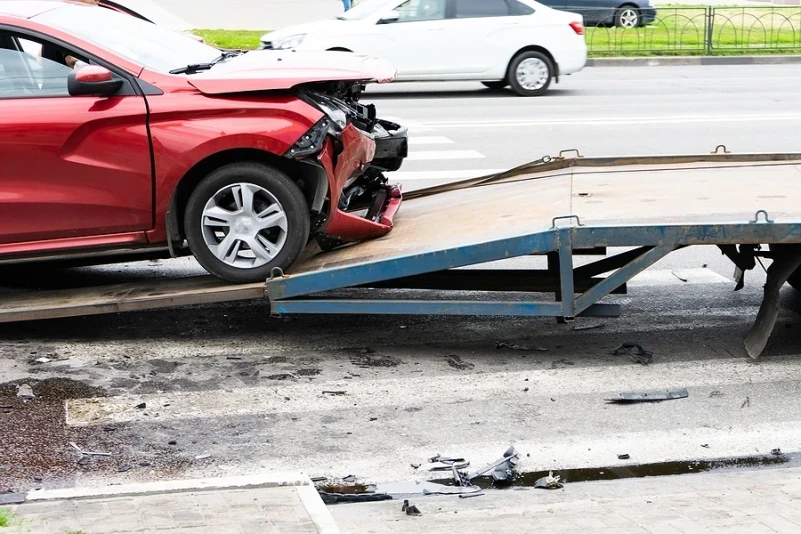
A car accident can disrupt daily life in ways that extend far beyond physical injuries. Even when no one is seriously hurt, the damage to your vehicle and personal property can create immediate stress and unexpected expenses. In South Carolina, drivers have specific legal options for recovering compensation for property damage after a crash. Understanding how these claims work, what evidence is required, and where disputes often arise can help you protect your financial interests and avoid costly mistakes.
What Counts as Property Damage After a Car Accident
Property damage refers to harm done to physical items as a result of a collision. Most commonly, this includes damage to vehicles, but it can also involve other personal belongings inside the car. Items such as phones, laptops, child safety seats, and even custom vehicle equipment may be covered under certain circumstances.
In some cases, damage may also extend beyond the vehicles involved. Crashes can impact fences, mailboxes, storefronts, or other structures. Each category of damage may be evaluated differently depending on insurance coverage and liability.
How Fault Affects Property Damage Claims in South Carolina
South Carolina follows a fault-based system for car accidents. This means the driver who caused the crash is generally responsible for the resulting damages, including property loss. If another driver is found to be at fault, their insurance company may be required to pay for repairs or replacement.
However, fault is not always immediately clear. Disputes may arise when drivers give conflicting accounts or when multiple vehicles are involved. Evidence plays a critical role in determining responsibility and shaping the outcome of a claim.
The Role of Insurance Coverage in Property Damage Recovery
Several types of insurance coverage may come into play after a car accident. Liability property damage coverage pays for damage caused to others when the insured driver is at fault. Collision coverage, if included in your own policy, may cover repairs to your vehicle regardless of fault, subject to a deductible.
Uninsured and underinsured motorist coverage can also be relevant when the at-fault driver lacks adequate insurance. Understanding which policies apply can help avoid delays and confusion during the claims process.
Steps to Take Immediately After Property Damage Occurs
The actions taken at the scene of an accident can influence a property damage claim. Documenting the damage as soon as possible is important. Photographs of vehicle positions, visible damage, debris, and surrounding conditions can help establish how the crash occurred.
Exchanging information with the other driver and identifying witnesses can also support a claim. Reporting the accident to law enforcement creates an official record that insurers often rely on when assessing liability.
Why Timely Reporting Matters
Insurance policies typically require prompt notice of an accident. Delays in reporting can raise questions about the cause or extent of the damage. Even if injuries seem minor or nonexistent, notifying your insurer helps preserve your rights under the policy.
In South Carolina, timely reporting also helps ensure that inspections and estimates are conducted while damage is still clearly linked to the crash.
Repair Costs Versus Total Loss Determinations
After a claim is filed, the insurer will assess whether the vehicle can be repaired or is considered a total loss. A vehicle is often declared a total loss when repair costs exceed a certain percentage of its value.
When a vehicle is totaled, compensation is usually based on its fair market value immediately before the accident. Disputes can arise if the insurer’s valuation does not reflect the vehicle’s true condition, mileage, or upgrades.
Challenging a Low Property Damage Valuation
It is not uncommon for drivers to feel that an insurance offer falls short. Valuations may rely on generic pricing data that overlooks recent maintenance, custom features, or local market conditions.
Providing documentation such as repair records, comparable vehicle listings, and independent appraisals can help challenge an undervalued claim. Persistence and supporting evidence often make a meaningful difference.
Loss of Use and Related Expenses
Property damage claims may extend beyond repair or replacement costs. Loss of use refers to the inability to use a vehicle while it is being repaired or replaced. Rental car expenses may be recoverable, depending on the circumstances and coverage.
Other related expenses can include towing, storage fees, and administrative costs. Keeping receipts and records of these expenses is essential when seeking reimbursement.
When Multiple Vehicles or Parties Are Involved
Accidents involving several vehicles often complicate property damage claims. Each insurer may attempt to shift responsibility, leading to delays or partial denials.
In these cases, clear documentation and a thorough investigation are especially important. Determining how fault is shared among drivers can affect the amount each insurer is required to pay.
The Impact of Comparative Negligence on Property Claims
South Carolina applies a modified comparative negligence rule. If you are found partially at fault for an accident, your compensation may be reduced by your percentage of responsibility. If your share of fault exceeds a certain threshold, recovery may be barred altogether.
This rule applies to property damage claims as well as injury claims. Understanding how fault is assessed can help set realistic expectations and guide decision-making.
Handling Property Damage When Injuries Are Also Involved
When an accident results in both injuries and property damage, claims are often handled together. However, property damage issues are sometimes resolved more quickly than injury claims.
Care should be taken to avoid signing releases or accepting settlements that could affect future rights. Once a claim is settled, it is typically final.
Disputes With Insurance Companies
Insurance companies are businesses with financial interests. While many claims are resolved without conflict, disputes can arise over fault, coverage, or valuation.
Clear communication, organized documentation, and knowledge of policy terms can help prevent misunderstandings. When disagreements persist, legal guidance may be necessary to move the claim forward.
Legal Options When Property Damage Is Not Fully Covered
In some situations, insurance coverage may be insufficient to cover the full extent of property damage. This can occur when the at-fault driver carries minimal coverage or when damage exceeds policy limits.
Pursuing a claim directly against the responsible party may be an option. Understanding the feasibility and potential recovery of such actions requires careful evaluation.
Why Legal Guidance Can Be Helpful in Property Damage Claims
While property damage claims may seem straightforward, they can become complex quickly. Legal guidance can help ensure that all available avenues for compensation are explored and that deadlines are met.
An attorney can also assist in negotiating with insurers, addressing disputes, and protecting against unfair settlement practices.
Conclusion
Vehicle and property damage can create immediate and long-term financial strain. Repair costs, replacement needs, and transportation challenges can add up quickly.
Taking a proactive approach after a South Carolina car accident helps protect your financial stability. Documenting damage, understanding insurance coverage, and knowing when to seek assistance can improve outcomes.
Recovering compensation for property damage is an important part of moving forward after a car accident. While the process can be frustrating, understanding how claims work under South Carolina law can reduce uncertainty.
By staying informed and acting carefully, drivers can navigate property damage claims more effectively and work toward restoring what was lost after an unexpected collision.