Legal Options for Injured Contractors in South Carolina Construction Accidents
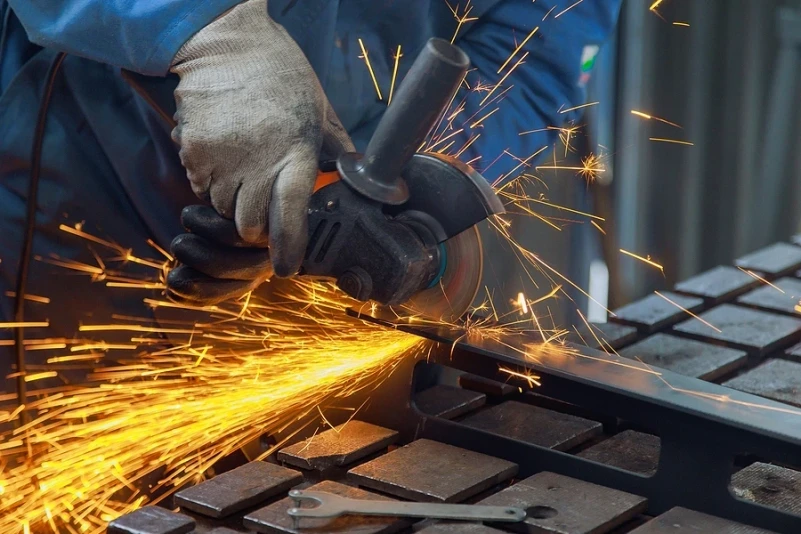
Construction work is one of the most physically demanding and high-risk professions in South Carolina. Contractors face hazards every day, from heavy machinery and scaffolding to electrical systems and falling debris. Even when safety measures are in place, accidents can happen. For contractors who are injured on the job, understanding their legal options is critical for protecting their rights and securing compensation.
Understanding Workers’ Compensation in South Carolina
Most construction workers in South Carolina are covered by workers’ compensation insurance. This system provides benefits to employees who suffer work-related injuries or illnesses, regardless of who was at fault. Benefits typically include medical care, rehabilitation, and partial wage replacement.
Workers’ compensation is a no-fault system, meaning you generally do not need to prove the employer was negligent. However, there are strict timelines for filing claims, and missing deadlines can prevent you from receiving benefits. Injured contractors must report their injuries to their employer immediately and file a claim with the South Carolina Workers’ Compensation Commission.
Limits of Workers’ Compensation for Contractors
While workers’ compensation provides essential support, it often does not cover all losses. Contractors may face long-term disability, significant medical bills, or lost income beyond the partial wage replacement. Pain and suffering are typically not compensated under workers’ compensation. In some cases, contractors may need to explore additional legal avenues to recover the full extent of their damages.
Third-Party Claims in Construction Accidents
Many construction injuries involve factors outside the employer’s direct control. Faulty equipment, negligent subcontractors, or defective building materials can all cause accidents. In these situations, contractors may have the option to pursue a third-party claim in addition to workers’ compensation.
A third-party claim allows an injured contractor to seek compensation from the party responsible for the accident. For example, if scaffolding provided by an equipment rental company collapses, the contractor could hold that company liable. Unlike workers’ compensation, third-party claims can cover pain and suffering, lost future earnings, and other damages not included in standard benefits.
Common Types of Construction Accidents
Understanding the types of accidents that often lead to legal claims can help contractors recognize when they might have a case. Common construction accidents include:
- Falls from heights – Falls from ladders, scaffolding, or roofs are a leading cause of construction injuries.
- Equipment accidents – Injuries caused by cranes, forklifts, or power tools are frequent and often preventable.
- Electrocutions – Improper wiring or contact with live electrical systems can lead to severe injuries or fatalities.
- Struck by objects – Falling tools, building materials, or debris can cause serious harm.
- Caught-in or between accidents – Workers can be crushed by machinery or trapped in tight spaces, often resulting in catastrophic injuries.
Identifying the cause of the accident is crucial for both workers’ compensation and third-party claims. Evidence like photographs, witness statements, and incident reports can strengthen a contractor’s case.
Determining Negligence and Liability
When pursuing a third-party claim, establishing negligence is key. In South Carolina, negligence generally involves proving that someone owed a duty of care, breached that duty, and caused harm as a result. For construction accidents, this could include:
- An equipment manufacturer failing to warn of a defect
- A subcontractor ignoring safety regulations
- A property owner neglecting maintenance or failing to secure the site
Consulting with an experienced personal injury lawyer can help injured contractors evaluate whether another party may be liable.
Legal Deadlines and Statutes of Limitations
South Carolina enforces strict time limits for filing claims. Workers’ compensation claims must typically be filed within two years from the date of the accident. Third-party personal injury claims also have a statute of limitations, usually three years from the injury date. Missing these deadlines can prevent recovery, making early legal guidance essential.
Importance of Legal Representation
Construction accidents can be legally complex. Insurance companies may attempt to minimize payouts, and third-party claims often involve multiple parties. An experienced personal injury attorney can:
- Ensure timely filing of workers’ compensation claims
- Investigate the accident to identify potential third-party defendants
- Gather and preserve evidence to strengthen your case
- Negotiate with insurance companies for fair settlements
- Represent you in court if necessary
Having a lawyer familiar with construction laws and South Carolina regulations significantly increases the likelihood of receiving fair compensation.
Steps Contractors Should Take After an Accident
Contractors injured on the job should take immediate steps to protect their rights:
- Seek medical attention – Prioritize your health and create a record of injuries
- Report the injury to your employer – Timely reporting is required for workers’ compensation
- Document the scene – Take photos, collect witness names, and preserve any equipment involved
- Avoid giving recorded statements to insurers – Insurance adjusters may try to use statements against you
- Consult a personal injury lawyer – Legal guidance ensures you understand all options and deadlines
Taking these steps early can prevent delays and strengthen both workers’ compensation and third-party claims.
Recovery Options Beyond Compensation
In addition to medical and wage benefits, injured contractors may recover for other losses depending on the circumstances. These can include:
- Pain and suffering
- Loss of earning capacity
- Rehabilitation and therapy costs
- Future medical expenses
The specific damages available will depend on whether the claim is through workers’ compensation, a third-party lawsuit, or both.
Conclusion
Construction accidents can have life-altering consequences for contractors in South Carolina. While workers’ compensation provides an important safety net, it may not fully address the financial and personal impact of serious injuries. Third-party claims and legal action can offer additional avenues for recovery, but they require careful evaluation and documentation.
Contractors should act quickly to protect their rights, report injuries, document evidence, and seek experienced legal guidance. Understanding your options is the first step toward securing fair compensation and moving forward after a workplace injury.