How to Prove Liability in Slip and Fall Claims in South Carolina
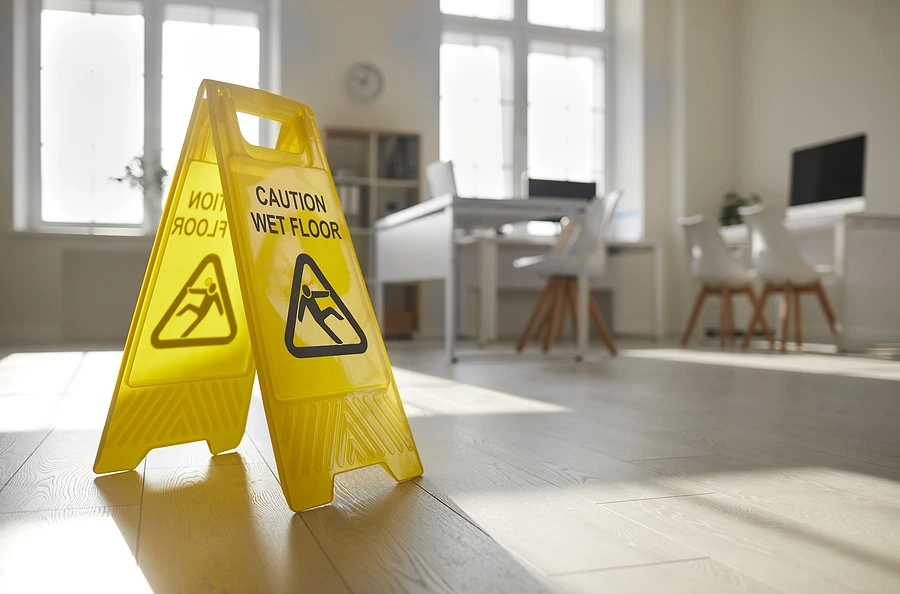
Slip and fall accidents can happen anywhere. Grocery stores, restaurants, parking lots, and even private homes can be sites of serious injuries. In South Carolina, these accidents often lead to personal injury claims. But not every fall automatically results in compensation. To recover damages, a victim must prove that the property owner was legally responsible for the accident. Understanding how liability works is crucial for anyone pursuing a slip and fall claim.
Understanding Liability in South Carolina
In South Carolina, property owners have a legal duty to keep their premises reasonably safe. This duty applies to both public and private properties. If a property owner fails to maintain safe conditions and someone is injured as a result, the owner may be liable for damages.
Liability is not automatic. The injured party must prove that the property owner either caused the dangerous condition or knew about it and did not act to fix it.
South Carolina law distinguishes between three types of visitors: invitees, licensees, and trespassers. Invitees are people who enter a property for business purposes, such as customers in a store. Licensees are those who enter for non-business reasons, like friends visiting a home. Trespassers are people who enter without permission. The property owner’s duty of care varies depending on the visitor. Most slip and fall cases involve invitees, meaning the property owner must exercise reasonable care to prevent hazards.
Collecting Evidence of the Hazard
Proving liability begins with documenting the dangerous condition that caused the fall. Evidence is critical in establishing that the property owner was negligent.
Photographs of the area, the hazard, and surrounding conditions are essential. Take pictures from multiple angles and distances. If possible, include objects in the frame that show scale, like a shopping cart or chair.
Video evidence can also be powerful. Some businesses have surveillance cameras that might capture the fall or show how long the hazard was present. If the fall occurred outdoors, photographs of weather conditions or debris may be useful.
Witness testimony adds another layer of support. Anyone who saw the fall or noticed the hazardous condition beforehand can provide statements. Even statements from employees or neighbors can help establish the property owner’s knowledge of the risk.
Demonstrating the Property Owner’s Knowledge
South Carolina courts generally require proof that the property owner knew, or should have known, about the dangerous condition. This is often called “constructive knowledge.”
Actual knowledge exists when the owner was aware of the hazard. For example, if a store manager knew a spill occurred but did not clean it up, that is direct evidence of negligence.
Constructive knowledge is more common and often harder to prove. It occurs when the hazard existed long enough that the property owner should have known about it through regular inspections or maintenance. For instance, a wet floor that remained for 30 minutes without attention could demonstrate constructive knowledge if the business has policies requiring frequent checks.
Maintenance logs, inspection records, or internal reports can be key in showing constructive knowledge. These documents may reveal gaps in routine checks or failure to follow safety procedures.
Linking the Hazard to the Injury
Establishing the hazard is only part of the case. The injured party must also show that the hazard directly caused the injury. Medical records, accident reports, and photographs of injuries help establish this connection.
A doctor’s note or treatment record that specifies the nature of the injury and how it resulted from the fall strengthens the claim. In some cases, expert testimony from a medical professional can demonstrate how the fall led to long-term damage or disability.
In addition to medical evidence, documenting the impact on daily life is important. Notes on missed work, limitations on mobility, and emotional distress can help show the real effects of the injury. This information can influence the total damages a court or insurance company may award.
Noting Comparative Negligence
South Carolina follows a modified comparative negligence system. This means the injured party’s own actions are considered when assigning fault. If the victim is found partially responsible for the accident, their compensation may be reduced proportionally.
For example, if someone slips on a wet floor while running in a store, the court may determine that the injured person shares some responsibility. Even if the property owner was negligent, the final award could be reduced by the percentage of fault assigned to the injured party.
Understanding comparative negligence is important when gathering evidence. Photos showing footwear, lighting, signage, or warning notices can support arguments that the property owner failed to maintain a safe environment.
Maintaining Timely Documentation
Timing matters in slip and fall claims. Evidence can deteriorate or disappear quickly. Spills get cleaned, debris is removed, and witness memories fade. Collecting evidence as soon as possible strengthens the case.
Report the incident to the property owner immediately, if safe to do so. Ask for a written incident report. Keep copies of any correspondence, emails, or notes related to the accident. These records can be critical if the case goes to court.
Working with an Experienced Attorney
Slip and fall claims can be complex. Insurance companies often dispute liability, claim the injury was preexisting, or argue that the injured party was partially at fault. Hiring a personal injury attorney with experience in South Carolina slip and fall law can make a significant difference.
An attorney can help gather evidence, interview witnesses, and obtain expert opinions. They can also handle communications with insurance companies to ensure the injured party’s rights are protected. In many cases, an attorney can negotiate a settlement without the need for a lengthy court trial, but they are also prepared to take the case to court if necessary.
Understanding Potential Damages
If liability is proven, the injured party may recover various types of damages. These can include medical expenses, lost wages, pain and suffering, and, in some cases, long-term care costs. Proving liability thoroughly increases the likelihood of receiving full compensation.
It is important to keep detailed records of all related expenses. Receipts, invoices, and medical bills provide concrete evidence of the financial impact of the accident. Additionally, documenting emotional and lifestyle changes helps establish non-economic damages.
Conclusion
Proving liability in a South Carolina slip and fall case requires careful documentation, timely action, and a clear understanding of the property owner’s legal responsibilities. Photographs, witness statements, medical records, and maintenance logs all play a critical role. Demonstrating that the property owner knew or should have known about the hazard is essential, as is linking the hazard to the injury.
Working with an attorney can simplify the process and ensure that rights are protected. While these cases can be challenging, thorough preparation and attention to detail improve the chances of recovering compensation. Slip and fall injuries are more than just accidents—they are preventable events that, when caused by negligence, carry real consequences. Knowing how to prove liability is the first step toward holding the responsible party accountable.