How to File a Personal Injury Claim After a Hit-and-Run in SC
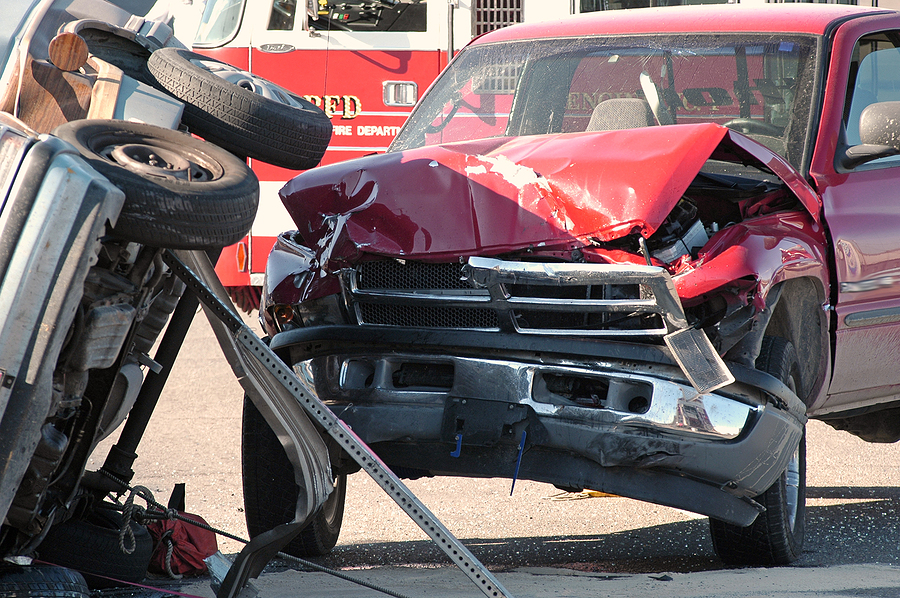
Being involved in a hit-and-run accident can be overwhelming. Beyond physical injuries and property damage, there’s the uncertainty of not knowing who is responsible. In South Carolina, victims face the dual challenge of seeking medical treatment while navigating the legal process to recover compensation when the driver who caused the accident has fled. Understanding your options early can make a significant difference in the outcome of your claim.
Understanding South Carolina Hit-and-Run Laws
Leaving the scene of an accident is a serious criminal offense in South Carolina. Drivers involved in any accident that results in injury, death, or property damage must:
- Stop immediately
- Provide contact information
- Render reasonable assistance, including calling emergency services
Failing to do so can result in criminal charges, fines, license suspension, and jail time.
For victims, however, criminal consequences for the at-fault driver do not automatically guarantee compensation for medical bills, lost wages, or pain and suffering. Filing a personal injury claim is essential to pursue recovery.
Steps to Take Immediately After a Hit-and-Run
Even if the driver flees, there are important steps to protect your rights:
Seek Medical Attention
Your health comes first. Some injuries, like whiplash, internal bleeding, or concussions, may not appear immediately. Prompt medical care ensures your safety and creates a documented record of your injuries, which is vital for your claim.
Call the Police
Report the accident as soon as possible. Provide details about the vehicle, driver, or circumstances. Even partial information, such as the color of the car, make, model, or license plate numbers, can help law enforcement. The police report will also serve as important evidence for your personal injury claim.
Collect Evidence at the Scene
If possible:
- Take photos or videos of the scene, your injuries, and any vehicle damage
- Note the time, location, and weather conditions
- Gather contact information and statements from witnesses
These details strengthen your case, especially when the other driver is unknown.
Notify Your Insurance Company
South Carolina requires drivers to carry liability insurance. Notify your provider promptly and provide an accurate account of the incident. Even if the driver is unidentified, your own policy may include coverage for uninsured or hit-and-run drivers. Reporting quickly preserves your rights.
Filing a Personal Injury Claim Without Identifying the Driver
If the at-fault driver is unknown, there are still ways to pursue compensation:
Uninsured Motorist Coverage
Many auto insurance policies include uninsured or underinsured motorist coverage. This can help pay for:
- Medical expenses
- Lost income
- Other damages
South Carolina law requires insurers to offer this coverage, though policyholders can decline it in writing. Review your policy carefully.
Health Insurance and Other Benefits
Your health insurance can cover some immediate medical costs. In rare cases, workers’ compensation may apply if the accident occurred while you were working.
Legal Action Against the Driver
If law enforcement identifies the hit-and-run driver, you can pursue a traditional personal injury claim. You will need to prove negligence: the driver owed a duty of care, breached it, and caused your injuries. Documentation, witness statements, and the police report will support your claim.
Challenges in Hit-and-Run Claims
Hit-and-run cases can be more complex than standard car accidents. Common challenges include:
- Identifying the driver: Without the at-fault driver, holding someone accountable can be difficult. Uninsured motorist claims often become the main route for compensation.
- Insurance disputes: Companies may question the severity of your injuries or the connection to the accident. Thorough documentation helps protect your claim.
- Statute of limitations: South Carolina generally allows personal injury claims to be filed within three years of the accident. Acting promptly is crucial.
Maximizing Your Compensation
To strengthen your claim and maximize compensation:
- Document everything: Keep records of medical visits, treatment plans, bills, lost wages, and correspondence with insurers. Journals of your recovery can also demonstrate non-economic damages.
- Avoid social media pitfalls: Do not post photos or statements about the accident that could be misinterpreted.
- Consult a personal injury attorney: An experienced lawyer can navigate the complexities of insurance claims, evidence gathering, and legal procedures.
- Follow medical advice: Failing to follow treatment recommendations can be used to question the severity of your injuries.
Working with Insurance Companies
Uninsured motorist claims require careful documentation. An attorney can assist by:
- Filing timely claims
- Collecting evidence for medical expenses, lost wages, and pain and suffering
- Negotiating settlements
- Representing you if litigation is necessary
Insurance companies are required to handle claims in good faith, but disputes can arise. Legal guidance ensures your rights are protected.
Conclusion
A hit-and-run accident is stressful and can leave victims unsure of how to recover physically, financially, and emotionally. Taking immediate action, seeking medical care, reporting to the police, gathering evidence, and notifying your insurance company are critical. Understanding your options, particularly uninsured motorist coverage, helps protect your ability to recover compensation.
Working with a personal injury attorney experienced in South Carolina hit-and-run cases increases your chances of obtaining a fair outcome. An attorney can guide you through the process, handle interactions with insurers, and ensure all legal deadlines are met. While a hit-and-run leaves many unknowns, taking the right steps early can provide clarity, support recovery, and protect your legal rights.