How to Document Your Injuries After a Slip and Fall in South Carolina
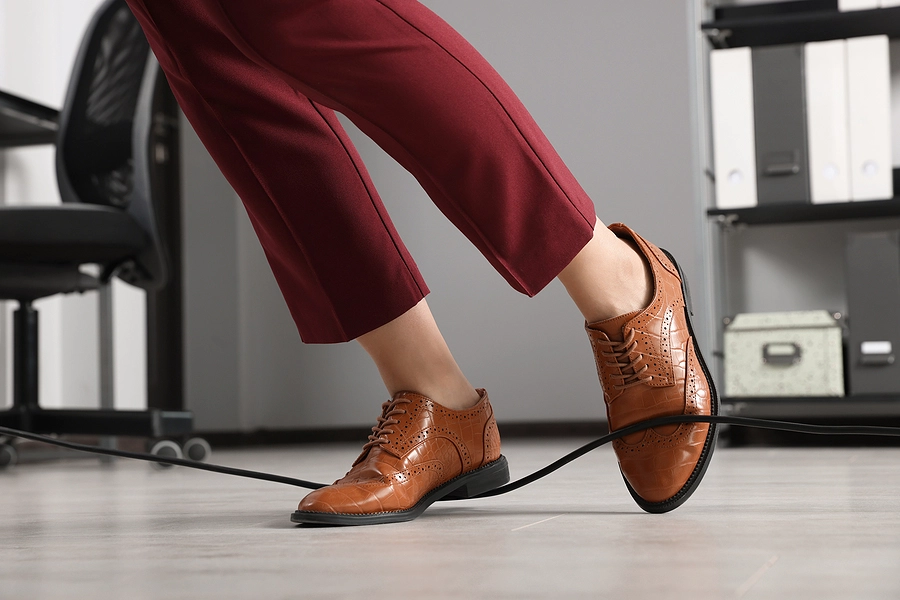
A slip and fall can change your routine in seconds. One moment you are walking into a store, restaurant, or office. The next, you are on the ground in pain, confused, and unsure what just happened. After the shock wears off, you may start thinking about medical bills, time off work, and whether someone else should be held responsible.
In South Carolina, proving a slip and fall claim often depends on evidence. One of the most important parts of that evidence is how well you document your injuries. Clear, detailed records can make a major difference in whether your claim succeeds or fails.
Why Injury Documentation Matters
In a personal injury case, you must show that you were hurt and that your injuries were caused by the fall. Insurance companies do not take your word for it. They look for proof.
Proper documentation does three main things:
- First, it shows that your injuries are real.
- Second, it connects those injuries to the fall.
- Third, it helps put a value on your claim.
Without strong records, the other side may argue that you were not badly hurt, that your injuries came from something else, or that you waited too long to seek help.
Start Documenting at the Scene
If you are able to do so safely, start gathering information right away.
Take photos or videos of the area where you fell. Capture wet floors, broken steps, uneven pavement, poor lighting, or missing warning signs. Take wide shots to show the location and close-ups to show details.
Next, photograph your injuries. Even if they seem minor, bruises and swelling often look worse over the next few days. Early photos show how your body looked right after the fall.
If there are witnesses, get their names and contact information. If possible, record what they saw using your phone or write it down as soon as you can.
Also report the incident. If it happened in a store, restaurant, or apartment complex, ask for a written incident report. Get a copy if they will give you one.
Seek Medical Care Promptly
Seeing a doctor soon after a slip and fall is one of the most important steps you can take.
Delaying treatment gives insurance companies room to argue that your injuries were not serious or were caused by something else. Even if you think you are “just sore,” get checked out.
Tell the doctor exactly how the fall happened and where you feel pain. Be honest and thorough. If something hurts, say so. Do not downplay your symptoms.
Ask for copies of your medical records, visit summaries, test results, and imaging reports. These documents form the backbone of your injury claim.
Keep All Medical Records Organized
Create a file or folder for everything related to your injury. This can be physical, digital, or both.
Include items such as:
- Emergency room or urgent care records
- Doctor visit notes
- Physical therapy records
- X-ray, MRI, or CT scan results
- Prescriptions and pharmacy receipts
- Medical bills and insurance statements
Label each document with the date and provider. Keeping things in order makes it easier to show a clear timeline of your treatment.
Take Photos Over Time
Injuries often change. Bruises darken, swelling shifts, cuts heal, and scars form. Take photos regularly to show this progression.
Use good lighting and try to take photos from the same angle each time. This helps show how your injuries develop or improve.
Photograph any visible marks, including bruises, scrapes, stitches, casts, or surgical scars. Even if something seems small, document it. You do not know what will matter later.
Keep an Injury Journal
An injury journal is a simple but powerful tool. It shows how the fall affects your daily life, not just what shows up on a scan.
Write in it every day or every few days. Include details such as:
- Where you feel pain
- How strong the pain is
- What movements are hard
- How well you sleep
- What activities you cannot do
- How your mood is affected
Use your own words. You do not need to sound formal. Just be honest and specific.
For example, instead of writing “knee hurts,” write “my right knee aches sharply when I go up stairs, and I need to hold the railing to keep my balance.”
Over time, this journal shows the real impact of your injuries.
Track Missed Work and Lost Income
If your injuries cause you to miss work or earn less, document it carefully.
Ask your employer for a written statement showing:
- Dates you missed
- Hours reduced
- Wages lost
Keep copies of pay stubs from before and after the injury. This helps show the financial impact of the fall.
If you are self-employed, save canceled appointments, emails from clients, or records showing reduced business.
Save Receipts for Out-of-Pocket Costs
Slip and fall injuries often lead to many small expenses that add up.
Keep receipts for:
- Medications
- Medical equipment like braces or crutches
- Transportation to appointments
- Home help or childcare if you need assistance
- Modifications like handrails or shower chairs
These costs are part of your damages and should not be ignored.
Be Careful with Social Media
What you post online can be used against you.
If you claim serious injuries but post photos of yourself smiling at a party, the insurance company may argue that you are not really hurt.
You do not need to go silent, but be cautious. Avoid posting about your accident, your injuries, or physical activities. Even innocent posts can be taken out of context.
Follow Your Treatment Plan
Going to appointments and following your doctor’s advice is part of documenting your injuries.
If you skip visits, stop therapy early, or ignore medical instructions, the other side may say you made your injuries worse or that they were not serious.
Keep a calendar of appointments and mark when you attend. Save any written instructions from your providers.
If you cannot follow a recommendation because of cost, transportation, or another reason, document why.
Document Communication About the Accident
Save all messages related to your fall.
This includes:
- Emails or letters from the property owner or business
- Insurance company letters
- Claim numbers and adjuster names
- Notes from phone calls
After phone calls, write down the date, who you spoke to, and what was said. This creates a record if there is a dispute later.
Connect Your Injuries to the Fall
One of the biggest challenges in slip and fall cases is showing that the fall caused your injuries.
Your records should clearly show:
- When the fall happened
- When symptoms began
- When you first sought treatment
If you had a prior injury in the same area, tell your doctor. It is better to be honest. Your doctor can explain how the fall made it worse or caused new damage.
Trying to hide old injuries often backfires when records are reviewed.
Use Consistent Descriptions
When talking to doctors, insurance companies, or lawyers, describe your injuries consistently.
You do not need to use the same words every time, but the main details should match. If you say your shoulder hurt immediately after the fall, do not later claim it started weeks later unless there is a clear reason.
Consistency builds credibility.
Get Help if You Feel Overwhelmed
After a slip and fall, you may be dealing with pain, stress, and paperwork all at once. It is normal to feel overwhelmed.
Ask a trusted family member or friend to help you organize documents, take photos, or keep track of appointments. The goal is to make sure nothing important gets lost.
Why South Carolina Cases Require Strong Proof
In South Carolina, slip and fall cases often involve questions about fault. Property owners and their insurers may argue that:
- They did not know about the hazard
- The hazard was obvious
- You were not paying attention
Good injury documentation does not solve every issue, but it strengthens your position. When your injuries are clearly shown, it is harder to dismiss your claim.
Common Mistakes to Avoid
Many people weaken their cases without realizing it.
Some common mistakes include:
- Waiting too long to see a doctor
- Not taking photos of injuries
- Throwing away receipts
- Skipping appointments
- Posting too much online
- Not keeping a journal
Avoiding these errors makes your claim stronger from the start.
How a Lawyer Uses Your Documentation
When you work with a personal injury lawyer, all of this information becomes part of your case file.
Your lawyer uses your records to:
- Prove the seriousness of your injuries
- Connect them to the fall
- Show how your life was affected
- Calculate a fair value for your claim
The better your documentation, the easier it is for your lawyer to tell your story in a clear and convincing way.
Conclusion
A slip and fall can leave you hurt, frustrated, and unsure what to do next. While you cannot undo the fall, you can take control of how you respond.
Documenting your injuries is not just paperwork. It is how you protect your rights. Every photo, record, receipt, and journal entry adds another piece to your story.
Start early, stay consistent, and keep everything organized. These steps may feel small, but together they can make a big difference in your South Carolina slip and fall claim.
If you focus on healing while carefully recording what you go through, you give yourself the best chance to be treated fairly after an unexpected fall.