How Poor Road Conditions Contribute to Car Accidents in South Carolina
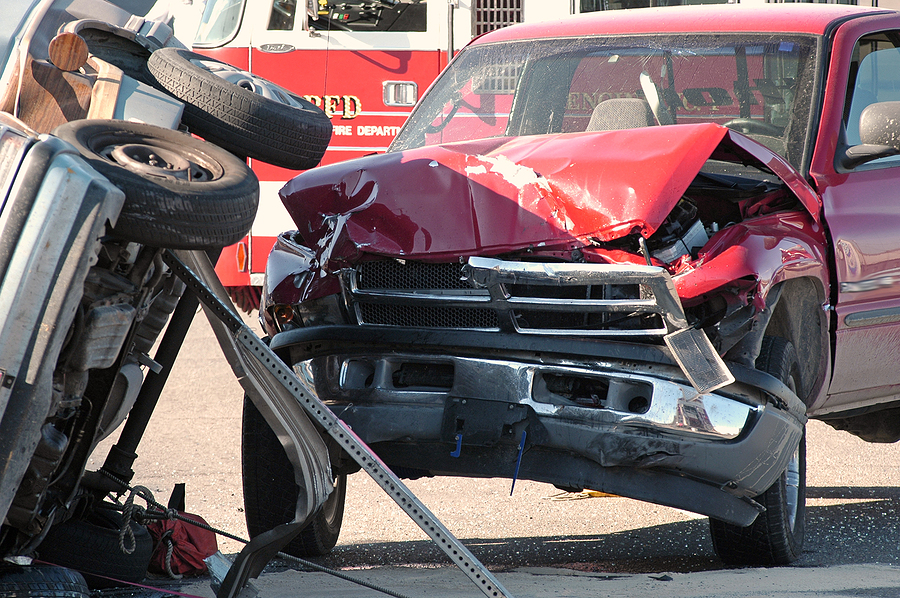
Road conditions play a major role in the safety of South Carolina drivers. Many people assume that most accidents are caused by careless drivers, speeding, or distractions, and while those issues certainly contribute, the state’s infrastructure can also influence crash risks in significant ways. Potholes, worn pavement, missing signs, and poor roadway maintenance can all make a routine drive more dangerous. When these hazards lead to collisions, injured individuals often face complicated questions about responsibility and legal options.
Understanding how road conditions contribute to accidents helps drivers stay alert and may also help accident victims recognize potential liability when pursuing a claim.
How Deteriorating Pavement Leads To Collisions
Pavement that is cracked, uneven, or broken can affect a driver’s ability to control a vehicle. South Carolina’s climate, especially its heavy rain and seasonal temperature shifts, can cause road surfaces to break down over time. When potholes form, drivers may swerve suddenly to avoid them. A quick lane change or unexpected steering correction can place nearby vehicles in harm’s way.
Even if a driver attempts to slow down before hitting a deep pothole, they may still lose control of the vehicle. Tire blowouts, bent rims, and damaged suspension systems can occur instantly. These mechanical failures often leave drivers with little time to react. Crashes caused by pavement deterioration are not always straightforward, and determining whether maintenance agencies knew or should have known about the hazard becomes a key part of the claim.
Standing Water And Flooding As Risk Factors
South Carolina experiences frequent storms, especially during hurricane season. When drainage systems are clogged or poorly designed, rainwater collects quickly. Standing water on the roadway is more dangerous than many drivers realize. Hydroplaning can occur at lower speeds than expected, causing vehicles to slide across the surface with little steering control.
Flooded roads also hide potholes and other defects. A driver may assume the water is shallow and safe to drive through, only to hit a deep dip or obstacle beneath the surface. These surprises can lead to severe impacts and significant injuries. When a roadway lacks proper drainage, it raises questions about whether the responsible agency maintained the area adequately.
Missing Or Damaged Road Signs Increase Confusion
Signs play an essential role in communicating rules and warnings. When signs are missing, faded, blocked by overgrown vegetation, or damaged, drivers may not have the information they need to proceed safely. A missing stop sign can lead to a dangerous intersection crash. A faded speed limit sign may cause drivers to travel much faster than the road allows. Missing curve warnings leave drivers unprepared for sudden changes in the road’s direction.
These issues do not arise overnight. They usually stem from long-term neglect, storm damage that was never addressed, or outdated infrastructure. When a preventable sign-related issue contributes to an accident, the injured party may have grounds to question whether the local or state agency took reasonable steps to maintain the roadway.
Poor Lighting Creates Nighttime Hazards
Some South Carolina roads lack proper lighting, especially in rural areas. Driving at night already reduces visibility, and inadequate lighting makes it even harder to notice hazards. Pedestrians, cyclists, and animals become more difficult to see. Potholes, fallen branches, or stalled vehicles may appear only when a driver is too close to avoid them.
Municipalities and other agencies responsible for roadway lighting must inspect and maintain these areas. Poles with broken bulbs or large sections of unlit highway create unnecessary risks. When poor lighting plays a part in an accident, the circumstances may point to negligent maintenance or delayed repairs.
Construction Zones Often Introduce Additional Risks
Roadwork is necessary to keep South Carolina’s highways functional, but construction sites can become dangerous when not managed properly. Confusing lane shifts, missing barriers, uneven pavement, and unclear signage can all contribute to crashes. Drivers may struggle to understand temporary patterns or navigate narrow spaces. If workers fail to place cones, warning signs, or speed advisories, the area becomes unpredictable for motorists.
Construction crews also have a duty to keep debris out of traffic lanes. Loose gravel or discarded materials can cause vehicles to skid or lose traction. When accidents occur within construction zones, several parties may be involved, including contractors, subcontractors, or government departments. Determining who is responsible requires careful analysis of how the site was managed and whether safety guidelines were followed.
Tree Debris And Road Obstructions After Storms
South Carolina’s weather patterns frequently produce strong winds and heavy rain. Storm debris often ends up on roadways. Fallen limbs, broken branches, and uprooted trees create immediate hazards for drivers. Even smaller pieces of debris can cause vehicles to swerve or lose control.
While no agency can prevent every piece of debris from appearing on the road, they are expected to respond within a reasonable time. If an obstruction remains in place long enough to cause multiple incidents, it suggests a failure to inspect or clear the area promptly. Accident victims may not initially realize that a maintenance delay played a role in the crash, but these small details can be important when evaluating liability.
How Road Conditions Combine With Driver Behavior
Many accidents involve a combination of factors. A driver may be traveling slightly over the speed limit, and a pothole amplifies the risk. A distracted driver may not see a missing sign or debris in the road until it is too late. Poor lighting makes it harder for even cautious drivers to spot hazards.
When unsafe road conditions interact with human error, the question becomes whether the accident would have occurred if the roadway had been properly maintained. In some cases, responsibility may be shared between the driver and the agency responsible for maintaining the road. Understanding these nuances is essential when pursuing a claim.
Who May Be Liable When Road Conditions Cause A Crash
Roadways in South Carolina are typically maintained by state agencies, county departments, or local municipalities. When a crash occurs because of poor road conditions, these entities may face scrutiny. However, claims against government agencies involve specific procedures and strict deadlines. Evidence must show that the agency knew or reasonably should have known about the hazardous condition and failed to take appropriate action.
In some situations, private companies may be involved. Construction contractors, engineering firms, and maintenance crews may share responsibility depending on who was managing the area at the time. Determining liability requires careful investigation, review of records, and sometimes expert evaluation.
Why Prompt Evidence Gathering Matters After A Crash
Road conditions can change quickly. A pothole might be filled shortly after an accident. A fallen tree may be removed within hours. Missing signs may be replaced before anyone documents the issue. For this reason, injured individuals should gather evidence as soon as possible when it is safe to do so. Photos, witness statements, dash-cam footage, and documentation of vehicle damage can all help establish what occurred.
Legal professionals who handle these types of cases often conduct their own investigations. They may request maintenance records, inspection reports, or prior complaints about the same hazard. This information can strengthen the claim and help identify which party is responsible.
Conclusion
Poor road conditions can turn a routine trip into a life-altering event. When an injury results from a preventable hazard, victims deserve a fair opportunity to seek compensation. Understanding how these roadway defects contribute to accidents is the first step. With proper legal guidance and thorough investigation, injured individuals can hold the appropriate parties accountable and work toward recovery with confidence.