Common Causes of Bicycle Accidents in South Carolina and How to Avoid Them
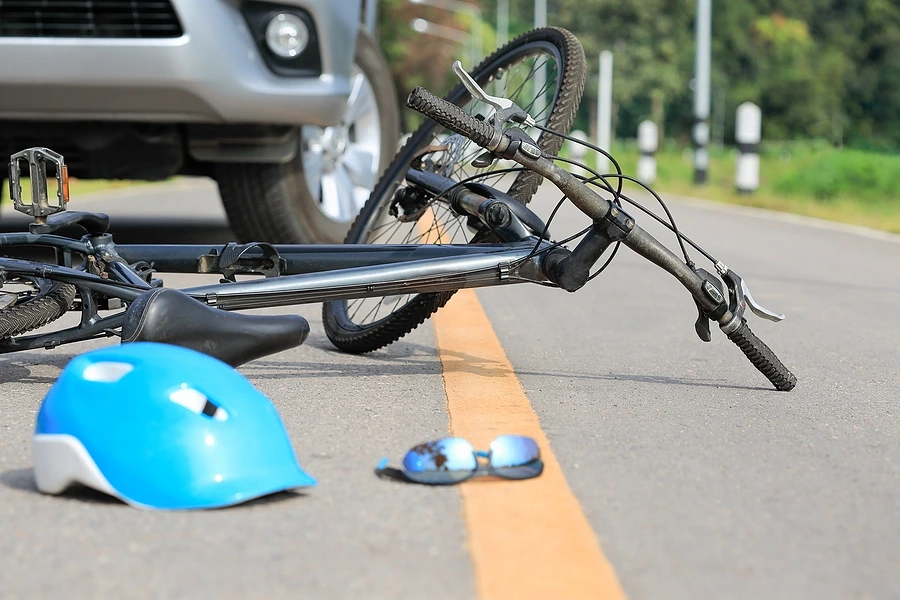
Bicycling is a popular way to commute, exercise, and enjoy South Carolina’s scenic roads and coastal paths. Despite its benefits, cycling also carries real risks. Bicycle accidents continue to cause serious injuries each year, often because riders are exposed and have little protection when something goes wrong. Understanding why these crashes happen is one of the most effective ways to reduce the risk of injury and make roads safer for everyone.
Driver Inattention and Distracted Driving
One of the leading causes of bicycle accidents is driver inattention. Motorists who are texting, adjusting navigation systems, eating, or otherwise distracted may fail to notice cyclists sharing the road. Even a brief lapse in focus can be enough to cause a collision.
Cyclists can reduce risk by assuming they may not be seen. Wearing bright or reflective clothing, using front and rear lights even during daylight hours, and making eye contact with drivers at intersections can help. Riding predictably and avoiding sudden movements also makes it easier for drivers to anticipate a cyclist’s path.
Failure to Yield at Intersections
Intersections are high-risk areas for bicycle accidents. Drivers may fail to yield when turning, especially during right turns on red or left turns across traffic. In some cases, motorists misjudge a cyclist’s speed or assume the rider will stop.
Cyclists should approach intersections cautiously, even when they have the right of way. Slowing down, positioning themselves where drivers can see them, and avoiding riding in blind spots can help prevent collisions. Using hand signals clearly and early also improves communication with nearby vehicles.
Unsafe Passing by Motor Vehicles
South Carolina law requires drivers to give cyclists adequate space when passing. Unfortunately, many accidents occur because drivers pass too closely, creating dangerous situations that can force cyclists off the road or cause them to lose balance.
To reduce this risk, cyclists should ride in a straight line and avoid weaving between parked cars. Taking a visible lane position when appropriate can discourage unsafe passing. While it may feel uncomfortable, being clearly visible in the lane is often safer than hugging the edge of the road.
Dooring Accidents Along Roadside Parking
Dooring occurs when a driver or passenger opens a vehicle door into the path of a cyclist. These accidents are especially common in urban areas with street parking and can result in serious injuries.
Cyclists can reduce the likelihood of dooring by riding outside the door zone, which is the area where a car door could open. Staying alert for occupied vehicles and watching for brake lights or movement inside parked cars can provide early warning signs.
Poor Road Conditions and Infrastructure Issues
Uneven pavement, potholes, loose gravel, and poorly marked bike lanes contribute to many bicycle accidents. South Carolina roads are not always designed with cyclists in mind, and maintenance issues can create hazards that are manageable for cars but dangerous for bikes.
Riders should scan the road ahead and avoid distractions that take their eyes off potential hazards. When possible, choosing routes with designated bike lanes or smoother pavement can reduce risk. Reporting dangerous road conditions to local authorities may also help improve safety over time.
Weather-Related Hazards
Rain, fog, and sudden weather changes can make cycling more dangerous. Wet roads reduce traction, and visibility drops for both cyclists and drivers. In coastal and rural areas, early morning fog can be especially hazardous.
Cyclists should adjust their riding habits based on conditions. Slowing down, increasing following distance, and using lights in low visibility can make a significant difference. Wearing weather-appropriate gear also helps maintain control and comfort during changing conditions.
Speeding and Aggressive Driving
Speeding drivers have less time to react and require longer stopping distances. Aggressive behaviors such as tailgating, honking, or intentionally crowding cyclists increase the likelihood of serious accidents.
Cyclists cannot control driver behavior, but they can take steps to stay safer. Avoiding confrontations, choosing less congested routes, and riding during daylight hours when possible can help reduce exposure to aggressive driving.
Impaired Driving and Its Impact on Cyclists
Drivers under the influence of alcohol or drugs pose a severe risk to cyclists. Impaired judgment, slowed reaction times, and poor coordination make it more likely that a driver will fail to see or respond appropriately to a cyclist.
Cyclists should be especially cautious during evenings, weekends, and holidays when impaired driving is more common. Staying alert, avoiding high-risk areas during peak times, and riding with others can provide additional layers of safety.
Cyclist Visibility and Lighting Issues
Visibility plays a critical role in preventing bicycle accidents. Low light conditions, dark clothing, or inadequate lighting make it harder for drivers to spot cyclists in time to avoid a crash.
Using proper lighting equipment is essential. A white front light and red rear light are basic safety tools, not optional accessories. Reflective gear, ankle bands, and reflective bike elements increase visibility from multiple angles.
Riding Against Traffic
Some cyclists believe riding against traffic makes them more visible. In reality, it increases the risk of head-on collisions and makes cyclist movements less predictable to drivers.
Riding with the flow of traffic allows cyclists and motorists to anticipate each other’s actions more effectively. Following traffic rules also strengthens a cyclist’s position if an accident occurs.
Failure to Obey Traffic Laws
Cyclists are required to follow the same traffic laws as motor vehicles. Running red lights, ignoring stop signs, or weaving unpredictably through traffic increases the risk of accidents.
Consistent, lawful riding habits improve safety and reduce confusion for drivers. Predictability is one of the most important factors in preventing collisions.
Steps Cyclists Can Take to Reduce Accident Risk
While not every accident is preventable, many risks can be reduced through awareness and preparation. Regular bike maintenance ensures brakes, tires, and gears function properly. Planning routes ahead of time can help cyclists avoid high-traffic or poorly maintained roads.
Education also matters. Understanding local cycling laws and practicing defensive riding techniques can make a meaningful difference over time.
Why Understanding Accident Causes Matters After an Injury
Knowing how bicycle accidents commonly occur is not only useful for prevention. It can also be important after an injury. Identifying the cause of a crash helps establish fault and clarify whether a driver, property owner, or other party may be responsible.
Accurate documentation, witness statements, and prompt medical care all play a role in protecting a cyclist’s legal rights following an accident.
Conclusion
Bicycle safety is a shared responsibility. Drivers, cyclists, and local communities all play a role in reducing accidents. Awareness of common causes and proactive steps to avoid them can help lower the number of serious injuries on South Carolina roads.
For cyclists, staying informed and riding defensively is essential. While no approach eliminates all risk, understanding how accidents happen provides a stronger foundation for safer riding and better outcomes after a crash.