How Road Hazards Contribute to Personal Injury Cases in South Carolina
Road hazards are a common factor in vehicle accidents throughout South Carolina. Poor road conditions, unexpected obstacles, and lack of proper maintenance can all create dangerous situations for drivers, passengers, bicyclists, and pedestrians. Understanding how these hazards contribute to personal injury cases is important for anyone injured on the road, as it can help determine liability and guide the legal process.
Common Road Hazards in South Carolina
South Carolina roads face unique challenges due to weather patterns, traffic volume, and aging infrastructure. Potholes, uneven pavement, missing or faded road signs, and debris are frequent issues. Heavy rainfall can wash out shoulders and create slick surfaces, while poorly maintained construction zones pose additional risks. Each of these hazards can lead to accidents if drivers are unable to respond safely.
Potholes are one of the most reported road hazards in the state. Even small potholes can cause significant damage to a vehicle, leading to loss of control and crashes. Drivers may swerve to avoid potholes, increasing the risk of hitting another car or object. Similarly, debris such as fallen branches, loose gravel, or abandoned objects in the road can force sudden maneuvers, resulting in collisions.
Construction zones are another critical hazard. While signs and cones are intended to guide traffic safely, sudden lane shifts, uneven surfaces, and improperly marked detours can create confusion. Drivers may have little time to react, leading to accidents that could have been prevented with better planning or signage.
How Road Hazards Contribute to Injuries
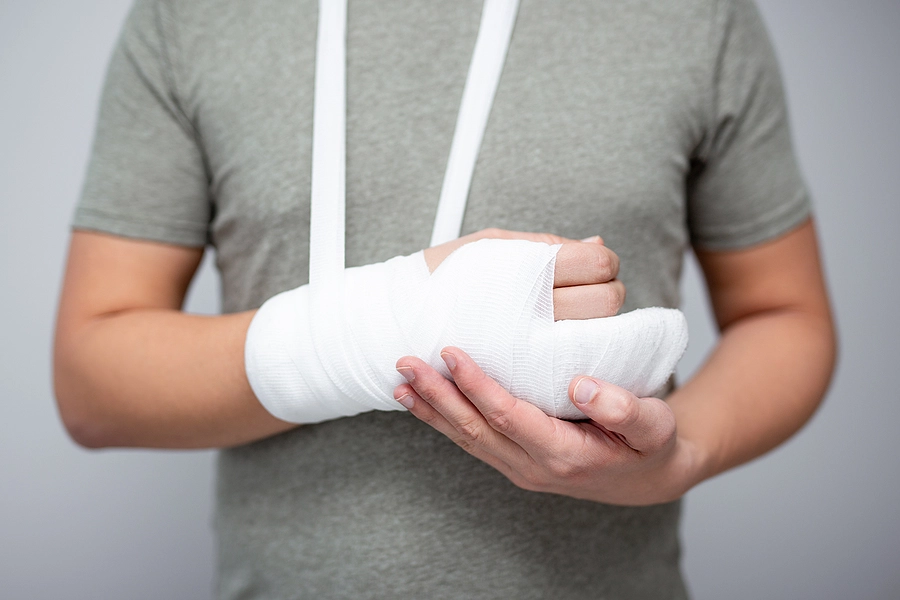
When an accident occurs due to a road hazard, the injuries can be severe. Drivers often experience whiplash, broken bones, or head injuries. Passengers may suffer similar trauma, while motorcyclists and bicyclists are especially vulnerable to serious injuries from sudden impacts. Pedestrians are also at risk if poor road conditions force vehicles onto sidewalks or cause drivers to lose control near crosswalks.
In many cases, injuries are exacerbated because drivers are unable to avoid hazards safely. For instance, a sudden pothole might cause a driver to swerve into another lane, resulting in a multi-car collision. Alternatively, debris in the road can cause a vehicle to skid off the pavement, striking a guardrail or tree. The physical consequences of these accidents often require extensive medical treatment, rehabilitation, and long-term care.
Determining Liability in Road Hazard Cases
Liability for injuries caused by road hazards can be complex. In South Carolina, both governmental entities and private parties may be responsible depending on the circumstances. Local, county, or state agencies are generally tasked with maintaining roads and ensuring safety. If negligence in maintenance or warning contributes to an accident, the government may be liable.
Proving liability often requires documentation of the hazard and evidence that authorities knew, or should have known, about the dangerous condition. Photographs of the hazard, eyewitness accounts, and maintenance records are key pieces of evidence. In some cases, expert testimony may be needed to show that the hazard directly caused the accident and resulting injuries.
Private property owners can also be responsible if a hazard exists on their property or in areas under their control. For example, a business that allows debris to spill into a public roadway or a contractor who fails to secure equipment in a construction zone may be held liable for resulting injuries.
Reporting and Documenting Road Hazards
If you are involved in an accident due to a road hazard, timely reporting is critical. Contacting law enforcement and requesting an accident report establishes an official record. It is also important to take photos of the hazard, your vehicle damage, and any injuries sustained. Collecting contact information from witnesses can strengthen a personal injury claim.
Prompt reporting to government agencies may also be required to preserve your legal rights. In South Carolina, claims against public entities often have strict filing deadlines. A personal injury lawyer experienced in road hazard cases can ensure that these requirements are met while gathering evidence to support your claim.
Steps to Protect Your Rights
Following a road hazard accident, your immediate priority should be safety and medical care. Seek medical attention, even if injuries seem minor at first, as symptoms can appear later. Keep detailed records of medical treatment, expenses, and time missed from work. Document all interactions with insurance companies and government agencies.
Consulting a personal injury lawyer familiar with South Carolina road hazard claims is important. An attorney can evaluate the circumstances of your accident, determine potential liability, and guide you through the legal process. They can also handle negotiations with insurers and government entities, helping you pursue fair compensation for medical bills, lost wages, pain and suffering, and other damages.
Prevention and Awareness
While accidents can never be completely prevented, awareness of road hazards can reduce risk. Drivers should remain alert, adjust speed to conditions, and avoid distractions. Regular vehicle maintenance ensures better control when encountering hazards. Motorcyclists and bicyclists should wear protective gear and be cautious in areas with known hazards. Communities can also advocate for better road maintenance and prompt repair of known issues to improve safety for all.
Conclusion
Road hazards in South Carolina present a serious risk to public safety. They are a contributing factor in many personal injury cases, often resulting in significant physical, emotional, and financial consequences. Understanding how these hazards lead to accidents and the steps necessary to establish liability is critical for anyone injured on the road. Proper documentation, timely reporting, and legal guidance can make a significant difference in pursuing compensation and protecting your rights after a road hazard accident.