Legal Rights of Passengers Hurt in Car Accidents Across South Carolina
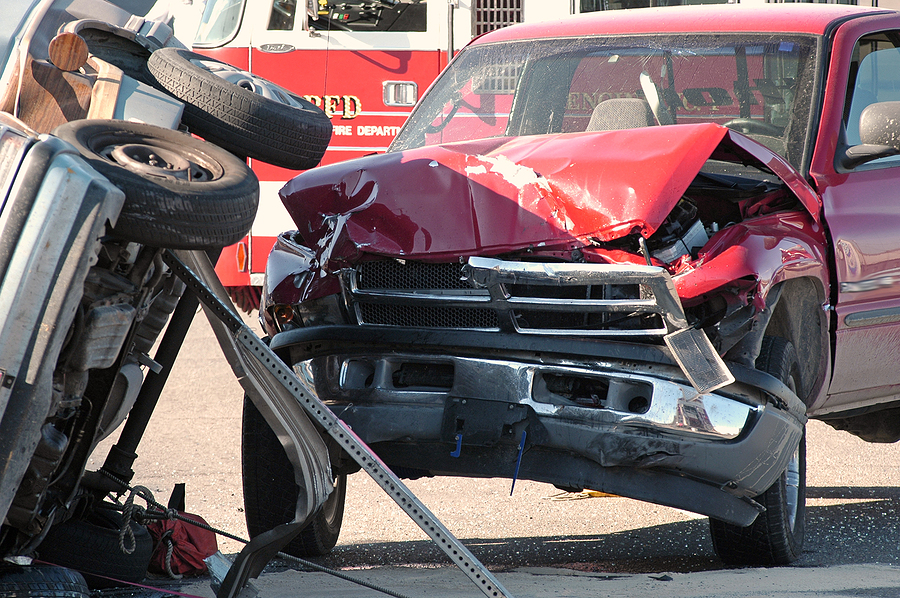
Car accidents can be traumatic, and passengers often face serious consequences despite having no control over the vehicle. In South Carolina, passengers have legal rights that allow them to seek compensation for injuries, medical expenses, lost income, and other damages. Understanding these rights is essential if you’ve been hurt while riding in someone else’s vehicle.
Passengers Are Recognized as Victims
South Carolina law recognizes that passengers are victims in a car accident, even if they were not driving. This means passengers may pursue compensation from the driver at fault. The law does not require passengers to have contributed to the accident to recover damages.
However, understanding the circumstances of the crash is important because South Carolina uses a comparative fault system, which can affect the amount of compensation a passenger receives.
How Comparative Fault Impacts Passenger Claims
South Carolina follows a modified comparative fault rule. Under this system, a passenger’s compensation can be reduced if they are found partially responsible for the accident. For instance, if a passenger was distracted and caused the driver to swerve, their recovery could be lowered.
As long as the passenger’s fault does not exceed 50%, they can still recover a portion of their damages. Careful documentation of the accident—photos, witness statements, and medical records—can help demonstrate that the passenger was not at fault or minimally responsible.
Filing a Claim Against the At-Fault Driver
The most common way passengers recover damages is by filing a personal injury claim against the driver who caused the accident. This could be the driver of the vehicle the passenger was in or another driver involved in a multi-vehicle crash.
Compensation may cover:
- Medical expenses, including emergency treatment, hospital stays, and rehabilitation.
- Lost wages if the injury prevents the passenger from working.
- Pain and suffering are caused by physical and emotional trauma.
- Future medical care if injuries have long-term effects.
- Property damage, if personal items were damaged during the accident.
Even if the at-fault driver is insured, it’s important to file a claim promptly. Insurance companies may attempt to minimize payouts, so having legal guidance is critical.
When the Driver of the Passenger Vehicle Is at Fault
If the driver of the vehicle carrying the passenger is negligent, passengers can pursue compensation from that driver’s auto insurance. South Carolina law requires drivers to carry liability insurance, which helps cover injuries to passengers.
Passengers can also recover damages through uninsured or underinsured motorist coverage if the driver has limited insurance. This may be part of the passenger’s own policy or included in the driver’s policy.
Identifying Other Responsible Parties
In some accidents, more than one party may be responsible. For example:
- A commercial driver causes the crash, making the employer liable.
- A road defect or poorly maintained vehicle contributes to the accident.
Identifying all liable parties ensures fair compensation. A personal injury lawyer can investigate and determine who may be responsible under South Carolina law.
The Importance of Medical Documentation and Evidence
Medical records are key for passengers pursuing a claim. Documentation should include:
- Doctor’s notes and imaging scans
- Hospital and therapy bills
- Records of medications and treatments
Witness statements also help establish the passenger’s account of the accident. Collecting contact information from anyone who saw the crash can strengthen a case.
Statute of Limitations in South Carolina
Personal injury claims in South Carolina must generally be filed within three years of the accident. Missing this deadline can prevent legal action, so it’s important to act quickly. Filing promptly also helps preserve evidence and supports a stronger case.
Dealing With Insurance Companies
Insurance companies often contact passengers soon after an accident, sometimes offering quick settlements. Accepting a settlement too early can result in less compensation than needed, especially if injuries require long-term care.
A personal injury lawyer can manage communication with insurance companies, negotiate fair settlements, and ensure a passenger’s rights are protected.
How Legal Representation Helps
A personal injury lawyer guides passengers through the claims process. They explain what types of damages are available, how comparative fault may affect the case, and ensure all paperwork is filed correctly.
For seriously injured passengers, legal representation reduces stress and allows them to focus on recovery while their rights are defended.
Conclusion
Passengers injured in car accidents in South Carolina have clear legal rights. Understanding comparative fault, insurance coverage, and the claims process is crucial for obtaining fair compensation. Prompt action, thorough documentation, and guidance from a qualified personal injury lawyer can make a significant difference in the outcome of a claim.
Anyone hurt as a passenger should consider consulting a lawyer to protect their interests and ensure they receive the compensation they deserve.