The Importance of Reporting an Accident Promptly in South Carolina
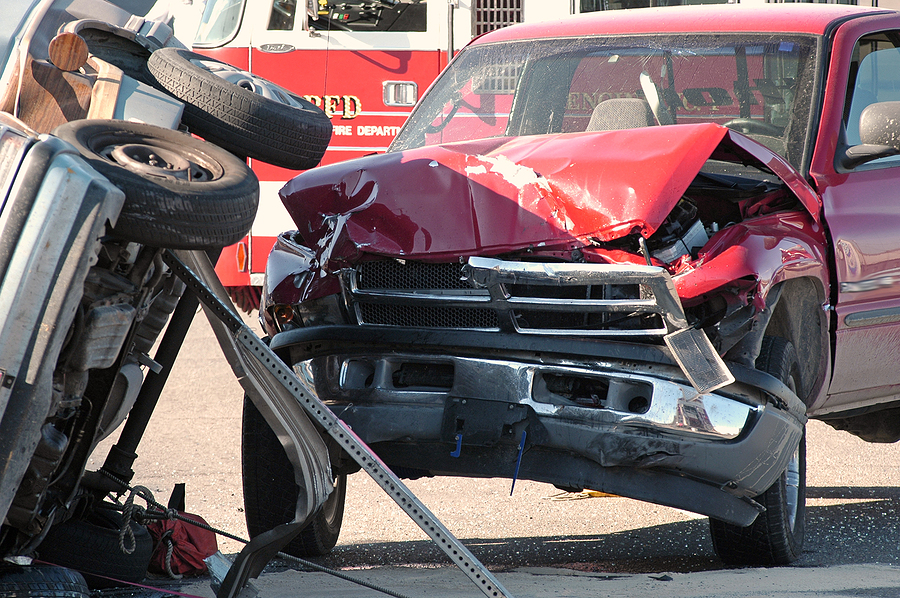
After a car accident, it is common to feel overwhelmed, disoriented, or unsure of what to do next. Some people focus on getting home safely or dealing with immediate vehicle damage, assuming they can sort out the details later. In South Carolina, however, waiting too long to report an accident can create serious legal and financial problems. Prompt reporting plays a central role in protecting your rights, preserving evidence, and avoiding unnecessary disputes with insurance companies.
Legal Reporting Requirements in South Carolina
South Carolina law requires drivers to report certain accidents to law enforcement. When a crash results in injury, death, or property damage above a specific dollar amount, a report must be made. In many situations, this means contacting local law enforcement at the scene so an officer can document what happened.
Failing to comply with reporting requirements can lead to fines or other penalties. More importantly, it can complicate any later attempt to recover compensation. An official accident report often becomes one of the first documents insurers and attorneys review when evaluating a claim.
How Police Reports Shape Injury Claims
A police report provides an independent record of the accident. It typically includes details such as the date, time, location, involved parties, witness information, and the officer’s initial observations. While it may not determine fault on its own, it often influences how insurance companies assess responsibility.
When an accident is not reported promptly, important details may be missing or disputed. Memories fade, vehicles are repaired, and witnesses become harder to locate. A delayed report may raise questions about whether the injuries or damage actually resulted from the crash.
Insurance Deadlines and Policy Requirements
Most auto insurance policies require prompt notice of an accident. This obligation applies even if you believe the other driver was clearly at fault or if injuries seem minor at first. Insurance companies rely on early reporting to investigate claims while evidence is still fresh.
Delays can give insurers an excuse to deny coverage or question the legitimacy of the claim. Even when coverage is not denied outright, late reporting may lead to closer scrutiny and longer processing times.
Preserving Evidence Through Early Reporting
Evidence plays a crucial role in personal injury cases. Physical evidence at the scene, such as skid marks, debris, road conditions, and vehicle positions, can disappear quickly. Early reporting helps ensure that this information is documented before it is lost.
Photographs, witness statements, and officer observations captured shortly after the crash are often more reliable than recollections gathered weeks or months later. Prompt reporting helps preserve these details and strengthens the foundation of a claim.
Medical Documentation and Timing Issues
Some accident injuries do not cause immediate pain or obvious symptoms. Soft tissue injuries, concussions, and internal trauma may worsen over time. When there is a gap between the accident and when it is reported or treated, insurers may argue that the injuries came from another cause.
Reporting the accident promptly creates a clear timeline that connects the crash to medical treatment. This timeline can be critical when proving that injuries are accident-related and deserving of compensation.
Avoiding Disputes Over Fault
In South Carolina, determining fault is essential in personal injury cases. The state follows a modified comparative negligence system, meaning compensation may be reduced if an injured person is found partially responsible.
When an accident is reported late, the other party may offer a different version of events. Without timely documentation, it becomes harder to challenge inaccurate statements or defend against claims of shared fault.
The Impact on Uninsured and Underinsured Motorist Claims
Uninsured and underinsured motorist coverage can provide protection when the at-fault driver lacks sufficient insurance. These claims often require strict compliance with reporting rules.
Failing to report an accident promptly may jeopardize the ability to use this coverage. Insurers may argue that the delay prevented a proper investigation or violated policy terms.
Reporting Accidents That Seem Minor at First
Many drivers hesitate to report accidents they believe are minor. A small dent or brief soreness may not seem worth the trouble at the time. Unfortunately, these assumptions can lead to problems later.
Vehicle damage may be more extensive than it appears, and injuries can develop over days or weeks. Reporting the accident creates a record that protects you if issues arise after the initial incident.
What Happens When Reporting Is Delayed
When an accident is reported late, insurers often become skeptical. They may question why there was a delay and whether the claim is legitimate. This skepticism can lead to additional requests for documentation, recorded statements, or medical records.
Delays may also weaken negotiating leverage. Without strong early evidence, it becomes harder to push back against low settlement offers or claim denials.
Steps to Take After an Accident in South Carolina
After ensuring safety and seeking medical attention, contacting law enforcement is usually the next step. Providing accurate information and cooperating with the officer helps create a clear and reliable report.
Notifying your insurance company as soon as possible is also important. Even if you plan to pursue a claim against another driver, your own insurer should be informed to preserve coverage options.
When Injuries Prevent Immediate Reporting
In some situations, injuries may prevent a driver from reporting the accident immediately. Emergency medical care should always take priority. When this happens, reporting should be completed as soon as reasonably possible.
Medical records documenting the severity of injuries can help explain any delay. Acting promptly once able helps reduce potential complications.
Why Insurance Companies Focus on Timing
Insurance companies pay close attention to timelines. Delays create opportunities to dispute causation, severity, and liability. Prompt reporting limits these arguments and signals that the claim is being handled responsibly.
Early reporting also allows insurers to inspect vehicles and accident scenes before conditions change. This benefits all parties by creating a clearer picture of what occurred.
The Role of Legal Guidance in Reporting Decisions
While reporting an accident may seem straightforward, questions often arise about what to say and how much detail to provide. Legal guidance can help ensure that reports are accurate without unintentionally harming a future claim.
An attorney can also advise on follow-up steps, such as medical documentation and communication with insurers, to keep the claim on track.
Protecting Your Rights Through Timely Action
Prompt accident reporting is one of the simplest yet most important steps an injured person can take. It protects legal rights, supports insurance claims, and helps preserve crucial evidence.
In South Carolina, waiting too long can create unnecessary obstacles. Acting quickly after an accident provides clarity, reduces disputes, and helps ensure that your claim is evaluated fairly.
Conclusion
Accidents are unexpected and stressful, but the steps taken afterward can shape the outcome of any legal claim. Reporting the accident promptly is not just a procedural requirement. It is a practical safeguard.
By understanding the importance of timely reporting and taking action without delay, injured individuals can place themselves in a stronger position as they move forward after a South Carolina accident.