Protecting Your Rights After a Construction Site Injury in South Carolina
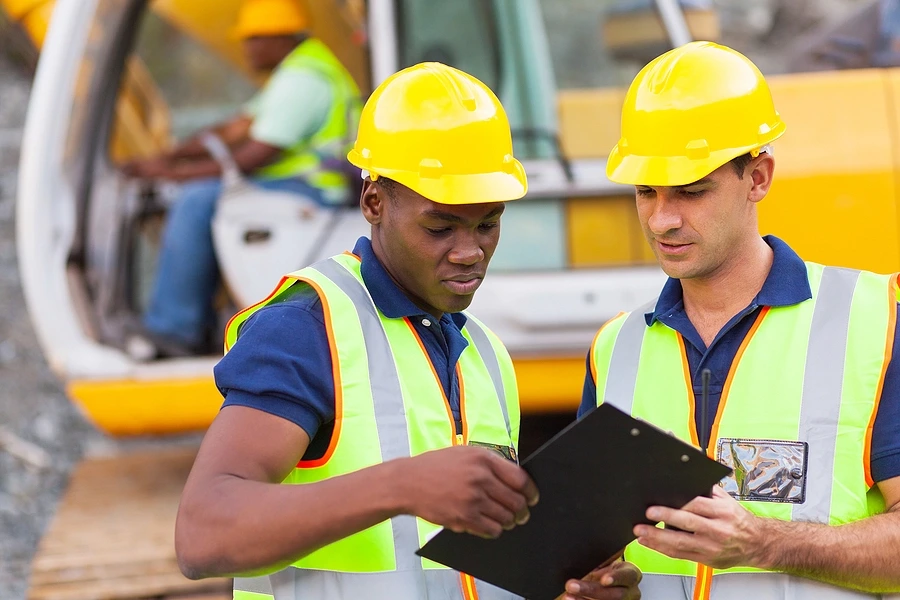
Construction sites are among the most dangerous workplaces in South Carolina. Heavy machinery, elevated work areas, electrical systems, and constant activity create conditions where serious injuries can occur even when safety rules are followed. When an accident happens, injured workers and visitors often face physical pain, lost income, and uncertainty about their legal options. Understanding how to protect your rights after a construction site injury is an essential step toward financial recovery and long-term stability.
Why Construction Sites Present a High Risk of Injury
Construction work involves hazards that are not present in many other industries. Falls from heights, struck-by incidents, equipment malfunctions, and exposure to unsafe conditions are common causes of injury. These risks are often increased by tight deadlines, multiple contractors working simultaneously, and uneven enforcement of safety standards.
Even experienced workers can be injured due to factors beyond their control. When safety failures occur, identifying who is responsible is a key part of protecting your legal rights.
Common Types of Construction Site Injuries
Construction injuries range from minor to life-altering. Some of the most frequently reported injuries include fractures, head trauma, spinal damage, burns, and internal injuries. Repetitive strain injuries and exposure-related illnesses may also develop over time rather than appearing immediately after an accident.
Because some injuries worsen gradually, workers may not realize the full extent of the harm until days or weeks later. This delay can complicate both medical treatment and the legal process if not handled properly.
Immediate Steps After a Construction Site Injury
The actions taken immediately after an accident can affect both health outcomes and legal rights. Seeking medical attention should always be the first priority, even if injuries seem manageable at first. Prompt treatment creates a medical record that links the injury to the accident.
Reporting the incident to a supervisor or site manager is also important. An official report helps document when and where the injury occurred. If possible, gathering names of witnesses and noting site conditions can preserve valuable information before it is lost or altered.
Why Documentation Matters in Construction Injury Claims
Construction sites change quickly. Equipment is moved, hazards are repaired, and crews rotate frequently. Without proper documentation, critical evidence may disappear.
Photographs of the scene, damaged equipment, or unsafe conditions can help establish what caused the injury. Medical records, work logs, and safety reports also play a central role in demonstrating the connection between the accident and the harm suffered.
Understanding Workers’ Compensation in South Carolina
Most construction workers in South Carolina are covered by workers’ compensation insurance. This system provides benefits for medical treatment and partial wage replacement regardless of fault. However, workers’ compensation benefits are limited and do not cover pain and suffering.
Accepting workers’ compensation does not always end the legal inquiry. In some situations, additional claims may be available against parties other than the direct employer.
When Third Party Liability May Apply
Construction sites often involve multiple entities, including general contractors, subcontractors, property owners, and equipment manufacturers. If an injury was caused by someone other than the worker’s employer, a third-party personal injury claim may be possible.
Examples include defective tools, unsafe scaffolding installed by another contractor, or hazardous conditions created by a property owner. These claims can provide compensation beyond what workers’ compensation allows, including damages for pain, suffering, and full lost wages.
The Role of Safety Regulations in Construction Injury Cases
Federal and state safety regulations play an important role in construction injury cases. Violations of Occupational Safety and Health Administration standards may help establish negligence.
While safety violations alone do not automatically guarantee compensation, they can strengthen a claim by showing that responsible parties failed to meet required safety obligations.
Challenges Unique to Construction Accident Claims
Construction injury cases are often complex. Determining liability may require reviewing contracts, safety policies, and site management responsibilities. Multiple insurance carriers may be involved, each seeking to limit financial exposure.
Additionally, injured workers may feel pressure to return to work too soon or downplay injuries out of concern for job security. These pressures can undermine both recovery and legal rights if not addressed carefully.
Why Delays Can Harm Your Claim
Waiting too long to take legal action can reduce the chances of a successful claim. Evidence can be lost, memories can fade, and deadlines may expire.
South Carolina law imposes time limits on personal injury claims. Missing these deadlines can prevent recovery entirely, regardless of how serious the injury may be. Acting promptly helps preserve options and protect the integrity of the claim.
The Importance of Medical Follow Through
Following prescribed medical treatment is critical after a construction site injury. Gaps in care or failure to follow medical advice can be used to argue that injuries are less serious than claimed or unrelated to the accident.
Consistent treatment not only supports physical recovery but also strengthens the credibility of a legal claim.
How Legal Guidance Supports Injured Construction Workers
Construction accident claims involve legal and procedural complexities that can be difficult to navigate alone. Legal guidance can help identify all potential sources of compensation, communicate with insurers, and ensure compliance with filing requirements.
An experienced personal injury attorney understands how construction cases differ from standard injury claims and how to build a case that reflects the true impact of the injury.
Compensation That May Be Available After a Construction Injury
Depending on the circumstances, compensation may include medical expenses, lost income, reduced earning capacity, and rehabilitation costs. In third-party claims, damages may also account for pain, suffering, and long-term impairment.
Each case is unique, and the available compensation depends on factors such as the severity of the injury, liability, and the extent of financial losses.
Protecting Your Future After a Construction Accident
A construction site injury can disrupt more than just physical health. Financial strain, uncertainty about employment, and ongoing medical needs can place lasting pressure on injured workers and their families.
Taking informed steps after an accident helps protect not only legal rights but also long-term well-being. Understanding available options, documenting the injury properly, and seeking appropriate guidance can make a meaningful difference in recovery.
Conclusion
Construction accidents are often sudden and overwhelming, but injured individuals do not have to face the aftermath alone. South Carolina law provides avenues for compensation when injuries occur due to unsafe conditions or negligence.
By acting promptly and understanding how the legal process works, injured workers and site visitors can protect their rights and pursue the resources needed to rebuild their lives after a serious construction site injury.