Understanding Liability in Multi-Vehicle Accidents in South Carolina
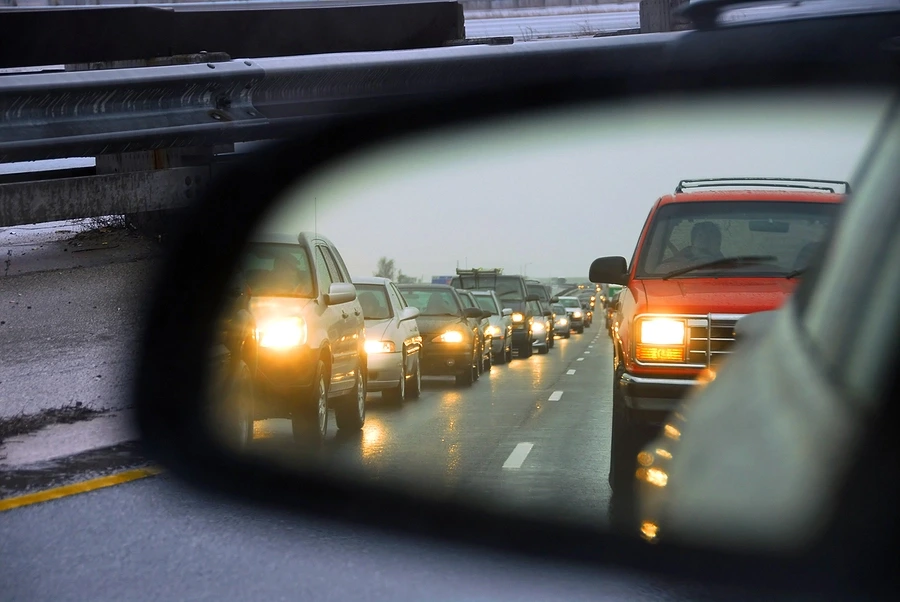
Multi-vehicle accidents can be complicated and overwhelming for those involved. When several cars collide, it may be unclear who is at fault, making the process of filing a personal injury claim more challenging. Understanding how liability is determined in South Carolina is crucial for anyone seeking compensation for injuries or damages resulting from a chain-reaction crash.
What Qualifies as a Multi-Vehicle Accident
A multi-vehicle accident involves three or more vehicles. These accidents often occur on highways, intersections, or during heavy traffic conditions. Factors such as sudden braking, distracted driving, and adverse weather can contribute to these crashes.
In addition to physical damage, multi-vehicle accidents often result in personal injuries ranging from minor whiplash to severe trauma. Because more than one party may be involved, liability is not always straightforward, and multiple insurance claims may need to be filed.
Comparative Negligence in South Carolina
South Carolina follows a modified comparative negligence system. This means that an injured party can still recover damages even if they were partially at fault for the accident, as long as their share of fault does not exceed 50 percent.
For example, if a driver is found 30 percent responsible for a multi-vehicle accident, they can still recover 70 percent of the damages from the other parties who share fault. Understanding this framework is vital because insurance companies often attempt to assign blame to reduce their payout. A personal injury attorney can help ensure the responsible parties are properly identified and held accountable.
Factors Considered in Determining Fault
Liability in multi-vehicle accidents is assessed by examining various factors. These include traffic laws, eyewitness testimony, police reports, and evidence such as dashcam footage or surveillance video. Some key factors that can influence fault determination include:
-
Speeding or reckless driving: Drivers exceeding speed limits or driving aggressively may be held responsible.
-
Following too closely: Rear-end collisions are common in chain-reaction crashes, and drivers who fail to maintain a safe distance can be liable.
-
Distracted or impaired driving: Using a phone, texting, or driving under the influence increases liability.
-
Traffic signals and signs: Failure to obey traffic signals, stop signs, or yield rules can contribute to fault.
-
Road conditions: While property owners and local authorities have a duty to maintain safe roads, drivers are still expected to adjust to wet, icy, or poorly maintained surfaces.
Because multiple drivers may contribute to the accident, each party’s level of responsibility must be carefully evaluated.
Role of Insurance Companies
Insurance companies play a significant role in multi-vehicle accident claims. They investigate the accident, assess damages, and often negotiate settlements. In multi-vehicle collisions, coordination between insurers can be complex, especially when fault is disputed or multiple parties are involved.
Some insurers may try to downplay the severity of injuries or argue that the insured driver is not liable. This is why legal representation is crucial. A knowledgeable attorney can communicate with insurers, gather evidence, and ensure the victim’s rights are protected.
Documenting the Accident
Proper documentation is essential in establishing liability. After a multi-vehicle accident, injured parties should take steps such as:
-
Calling law enforcement to report the crash and obtain a police report.
-
Collecting contact information for all drivers and witnesses.
-
Taking photographs of vehicle damage, skid marks, and the accident scene.
-
Keeping records of medical treatment and expenses.
-
Documenting missed work and other financial losses.
Accurate and detailed records help prove the extent of injuries and damages, making it easier to pursue fair compensation.
Injuries and Compensation
Multi-vehicle accidents can lead to a range of injuries, including whiplash, fractures, traumatic brain injuries, and internal injuries. Compensation may cover medical bills, rehabilitation, lost wages, property damage, and pain and suffering.
In some cases, long-term care or ongoing medical treatment is necessary. South Carolina law allows victims to recover damages proportionate to the fault of the responsible parties. If multiple drivers are partially at fault, compensation may be divided according to each party’s degree of liability.
The Importance of Legal Assistance
Multi-vehicle accident claims are often complex. Insurance companies may try to minimize payouts, and determining fault can be challenging when multiple drivers are involved. Hiring a personal injury lawyer ensures:
-
Thorough investigation and evidence collection.
-
Proper assessment of damages and medical documentation.
-
Skilled negotiation with insurance companies.
-
Representation in court if a settlement cannot be reached.
An attorney can also help address challenges related to comparative negligence, ensuring that the injured party receives fair compensation even if they share some degree of fault.
Conclusion
Liability in multi-vehicle accidents in South Carolina is rarely simple. Factors such as comparative negligence, traffic laws, and driver behavior all contribute to determining fault. Injured parties must document the accident thoroughly, seek medical care promptly, and consult with a personal injury lawyer to protect their rights.
If you or a loved one has been involved in a multi-vehicle accident in South Carolina, legal guidance can make a significant difference. A skilled attorney can help navigate insurance procedures, ensure responsible parties are held accountable, and pursue compensation for medical bills, lost wages, and other damages. Taking prompt action is essential to achieving a fair outcome and securing the resources needed for recovery.